
5 Drainage Checks Before Storm Season to Protect Your OKC Foundation
November 11, 2026

Oklahoma storms don't give much warning. One minute the yard is dry, and the next, an inch of rain is running toward your house. The good news is that most foundation-related water problems can be spotted ahead of time with a short walk around your property.

Here are five drainage checks you can do before the next round of heavy storms. None of them need special tools, and each one tells you whether water is being carried away from your home or left to collect against it.


1. Check Where Your Downspouts Empty

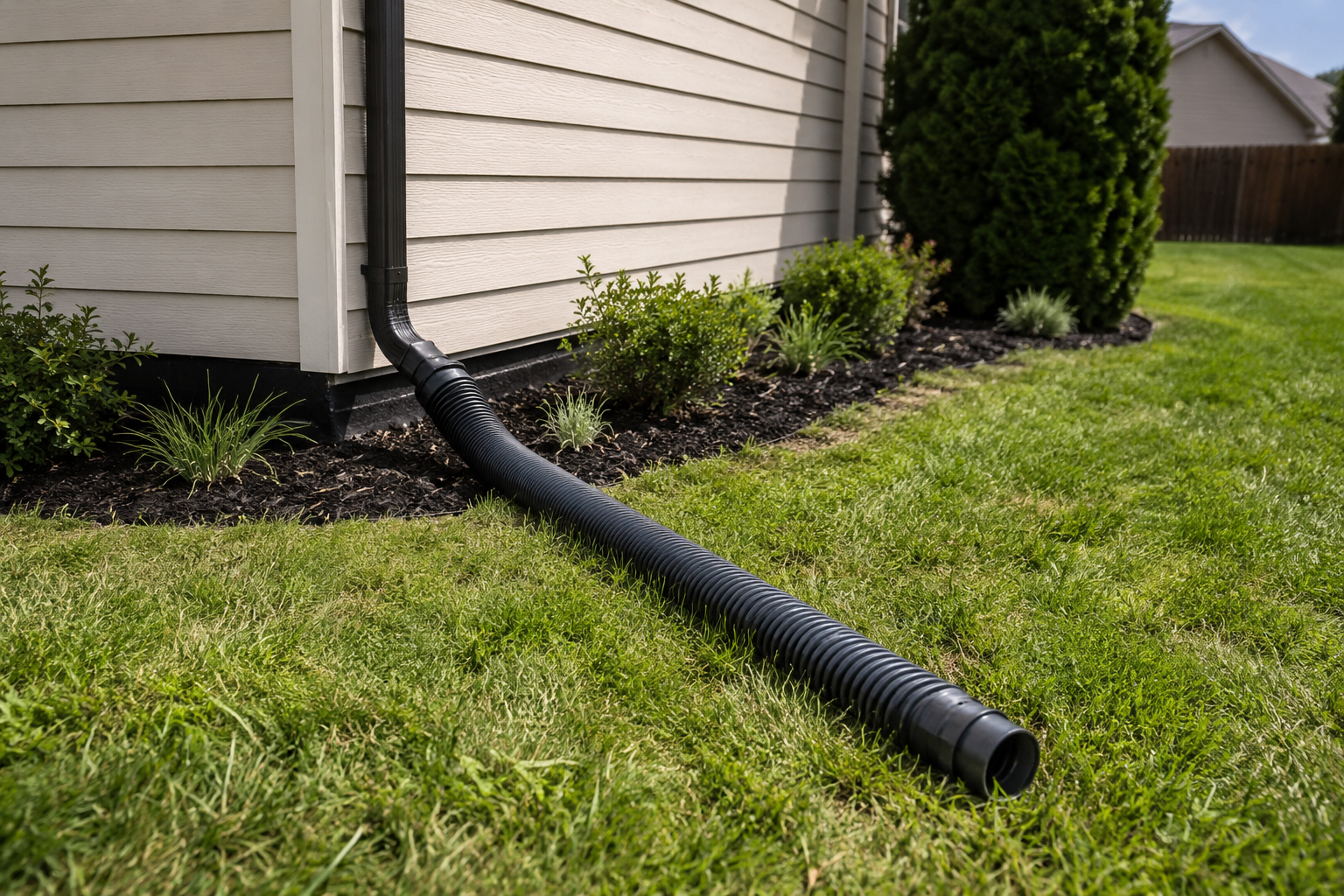
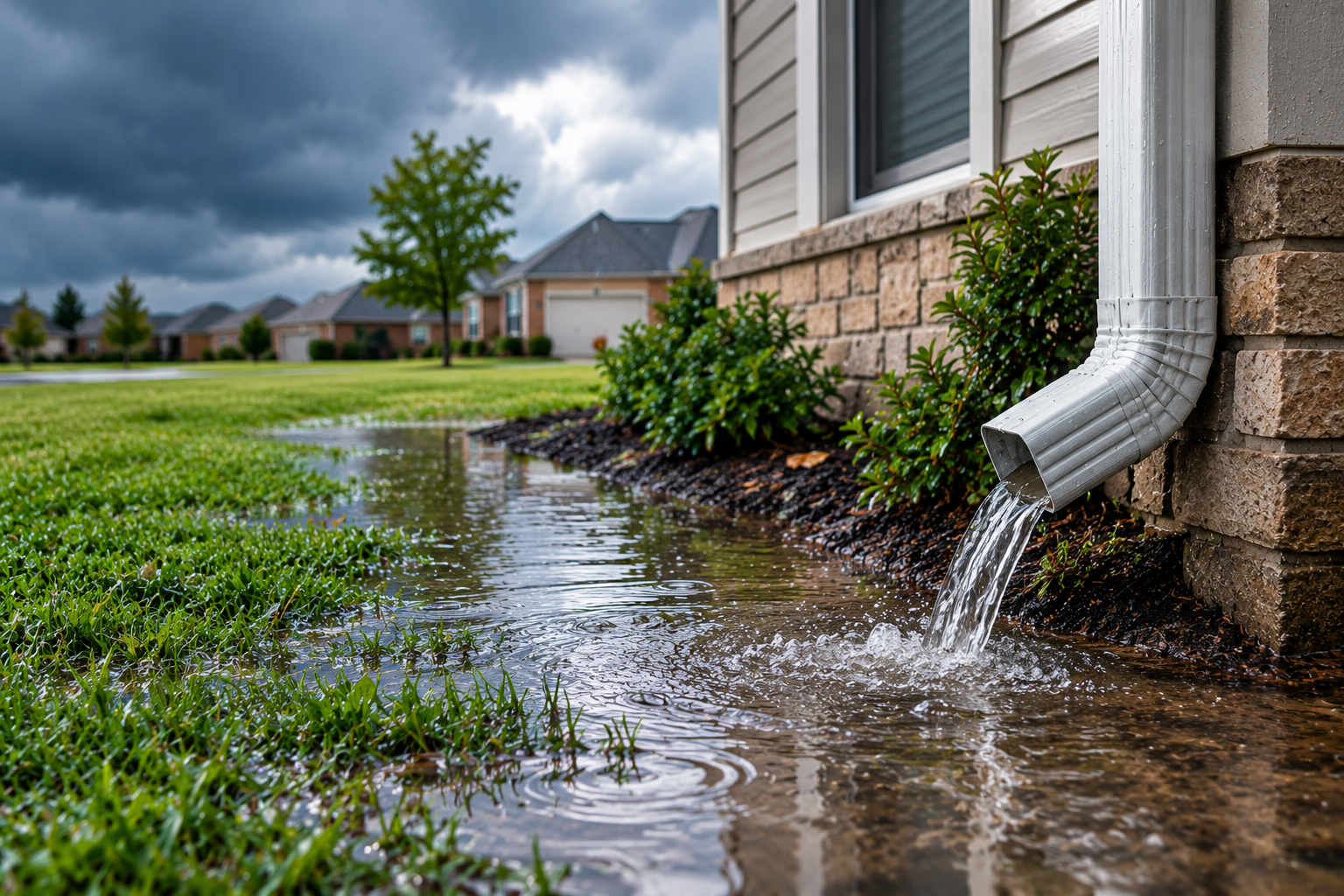
Your roof collects a lot of water, and your downspouts decide where it lands. Walk around the house and look at the end of each downspout. If it empties right next to the foundation, all of that water goes straight into the soil beside your home.

A downspout should carry water well away from the house. If yours don't, an extension or a gutter downspout tie-in that sends water to a better location can make a big difference. Not sure which option fits? Read downspout extensions vs. French drains.


2. Look at the Slope Around Your Foundation

The ground next to your house should slope gently away from it, so water naturally runs out into the yard. Over the years, soil settles, and that slope can flatten out or even tilt back toward the house.

Stand at a corner of your home and look along the foundation. If the soil looks flat, sunken, or lower near the house than farther out, water is likely to collect there. This is a common cause of problems we see in OKC yards, and grading and reslope work restores the slope so water has somewhere to go.


3. Clear Your Gutters

Gutters only work when water can move through them. Leaves, seed pods, and debris can clog a gutter and cause water to spill over the edge, right where it can soak the ground next to your foundation. Before a storm, check that your gutters are clear and that water flows freely to each downspout.


4. Make Sure Your Existing Drains Are Working

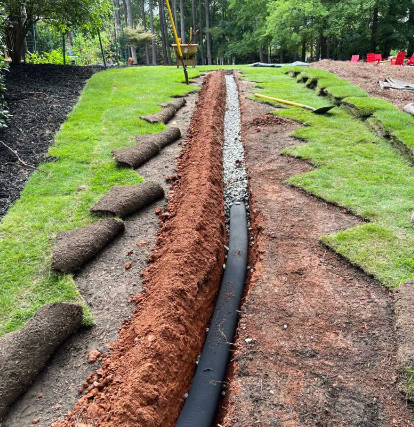
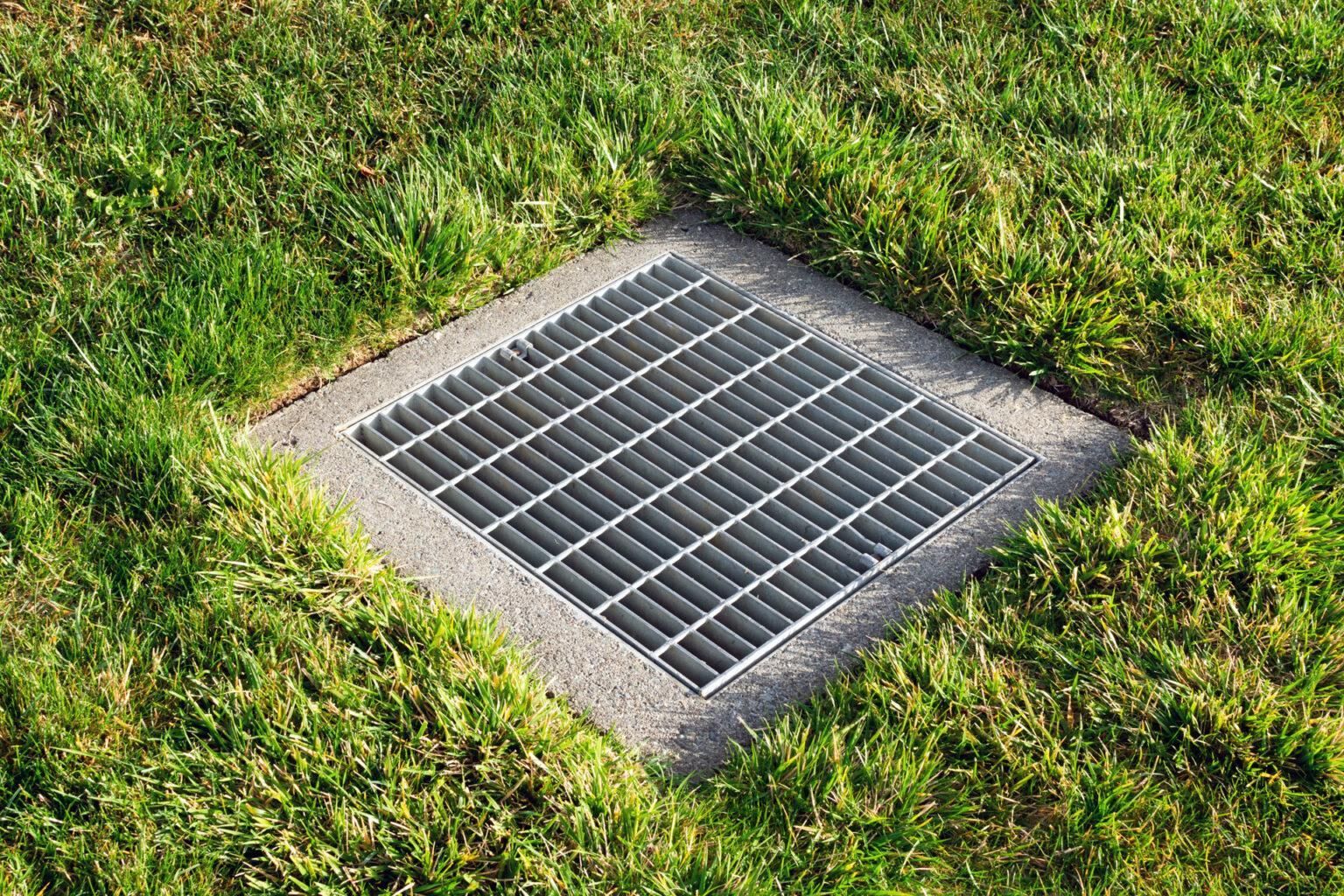
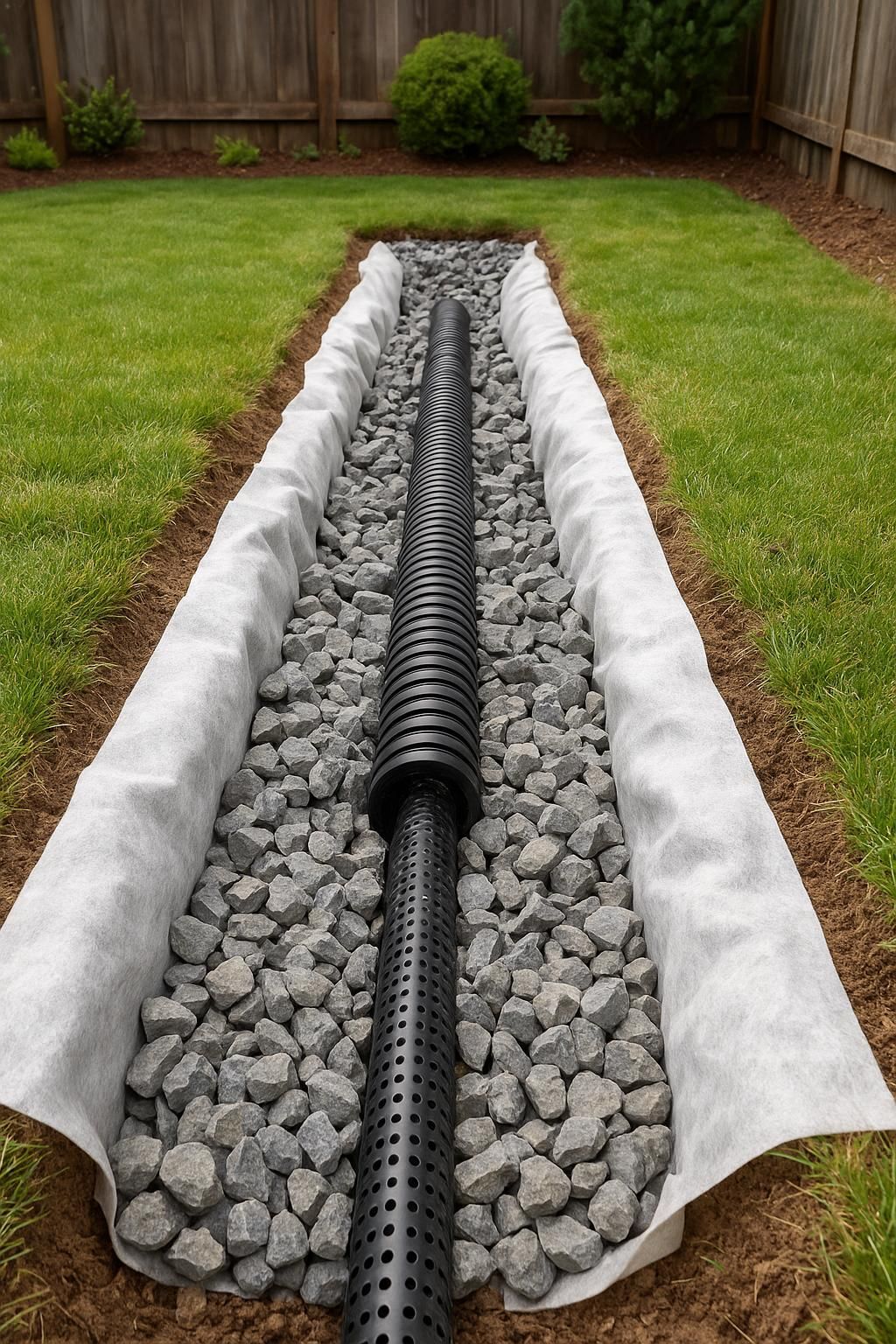
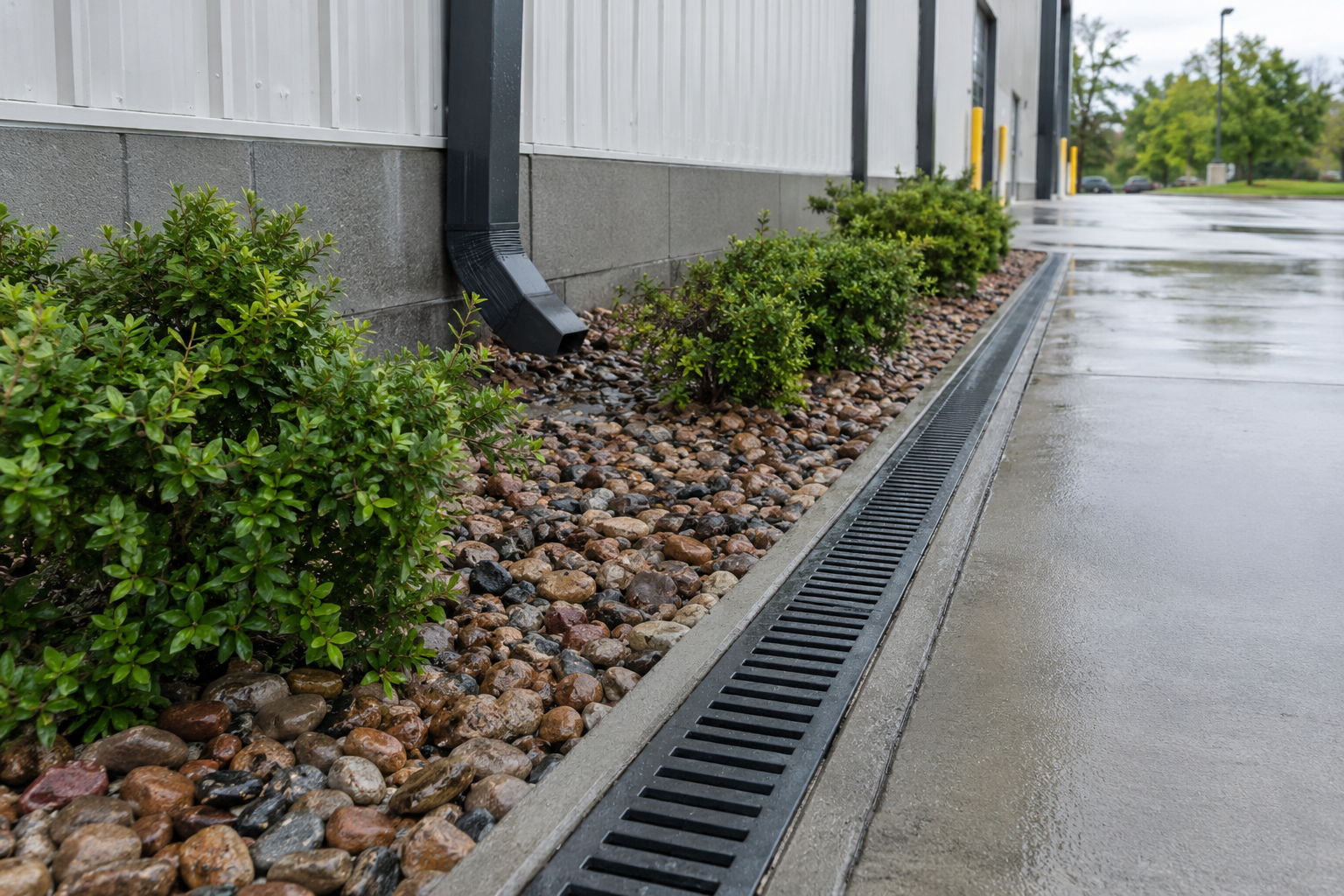
If you already have a drainage system, it's worth checking that it's still doing its job. Look at the places where a French drain, catch basin, or surface drain collects or releases water. Are the openings clear of dirt, mulch, and leaves? Is water still standing in the yard after rain, even though a drain is nearby?

Drains can fail or clog over time. Our post on the signs your French drain has failed covers what to watch for. And if you've found that one type of drain isn't enough, read when your yard needs more than a French drain.


5. Watch Where Water Goes During the Next Rain

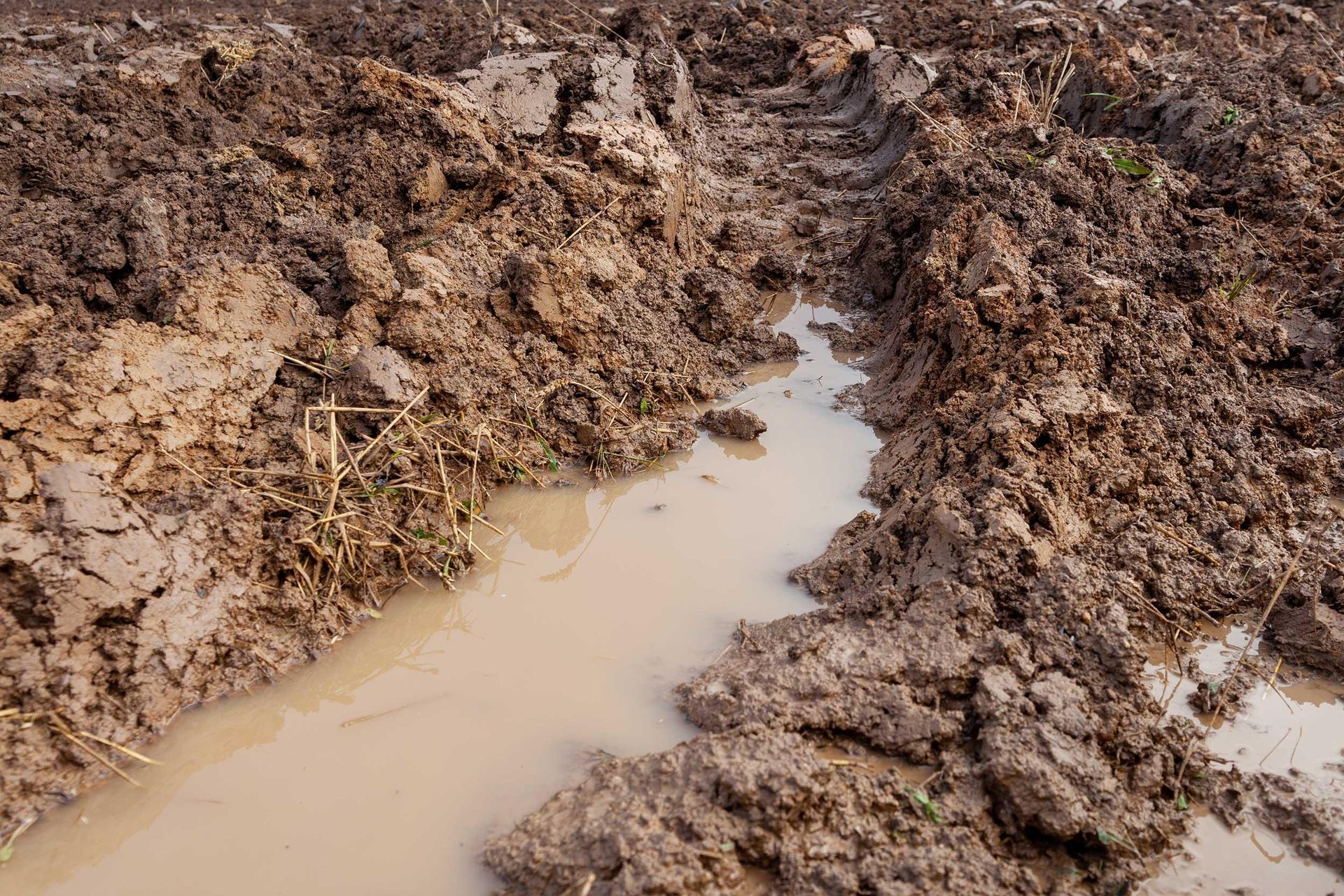
The best drainage check happens while it's raining, or just after. Step outside, safely, and watch where the water flows. Pay attention to:

  • Where water collects and how long it stays there
  • Whether water runs toward your house instead of away from it
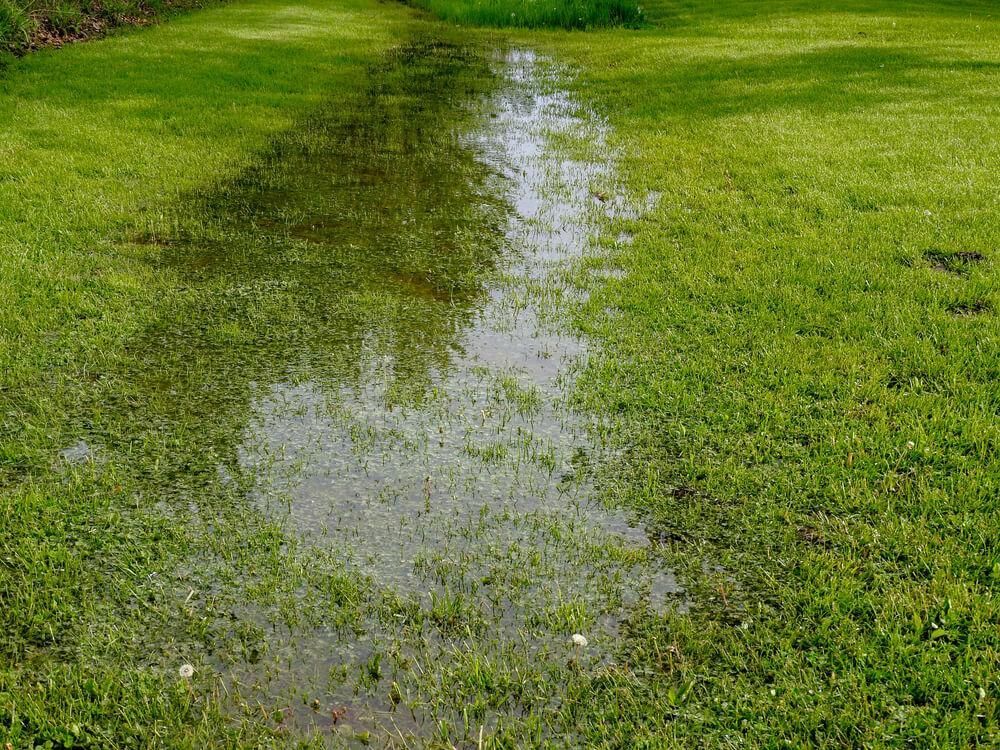
  • Whether any area stays soggy for days after the rain stops

Take a few photos or notes. They'll help you describe the problem when you ask for help, and they make it easier to see if things get worse over time. For more on what causes puddles that won't go away, see our post on standing water in your yard.


Why These Checks Matter for Your Foundation

Oklahoma clay expands when it's wet and shrinks as it dries. When drainage is poor, one side of your house can stay wet while another dries out, and that uneven movement can lead to cracks and other foundation trouble. Catching a drainage problem early is far easier, and usually less costly, than fixing the damage it can cause. To learn more, read our guide to foundation water damage in OKC.


Schedule a Free Drainage Assessment

If you spot a problem on your walk-around, or you're not sure what you're seeing, Elite Outdoor Living Solutions can help. We work with homeowners in Oklahoma City, Edmond, Norman, Moore, Yukon, and Bethany to find where yard water is coming from and fix it. Call (405) 972-8338 or request a free assessment before the next storm hits.
November 4, 2026
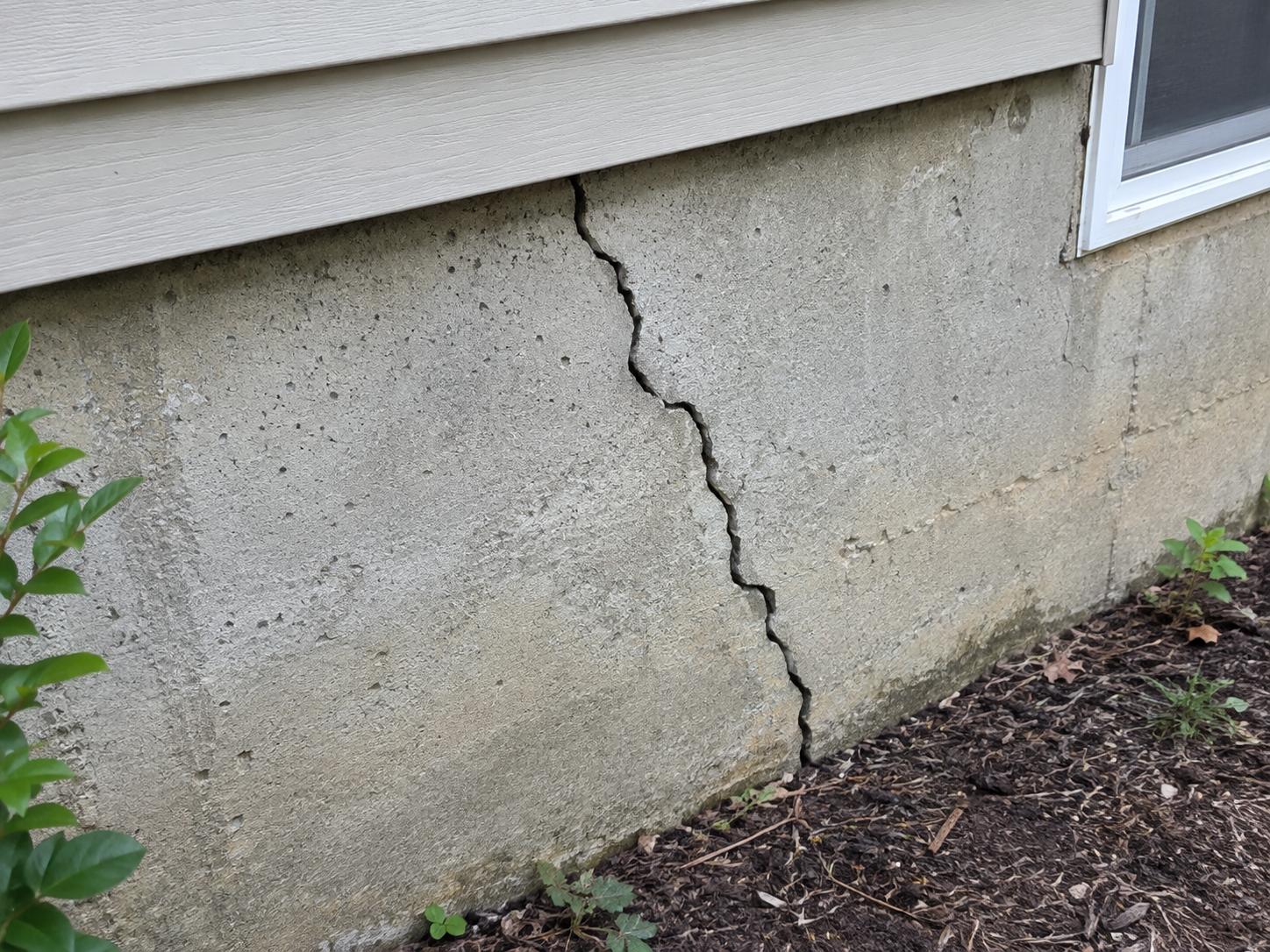
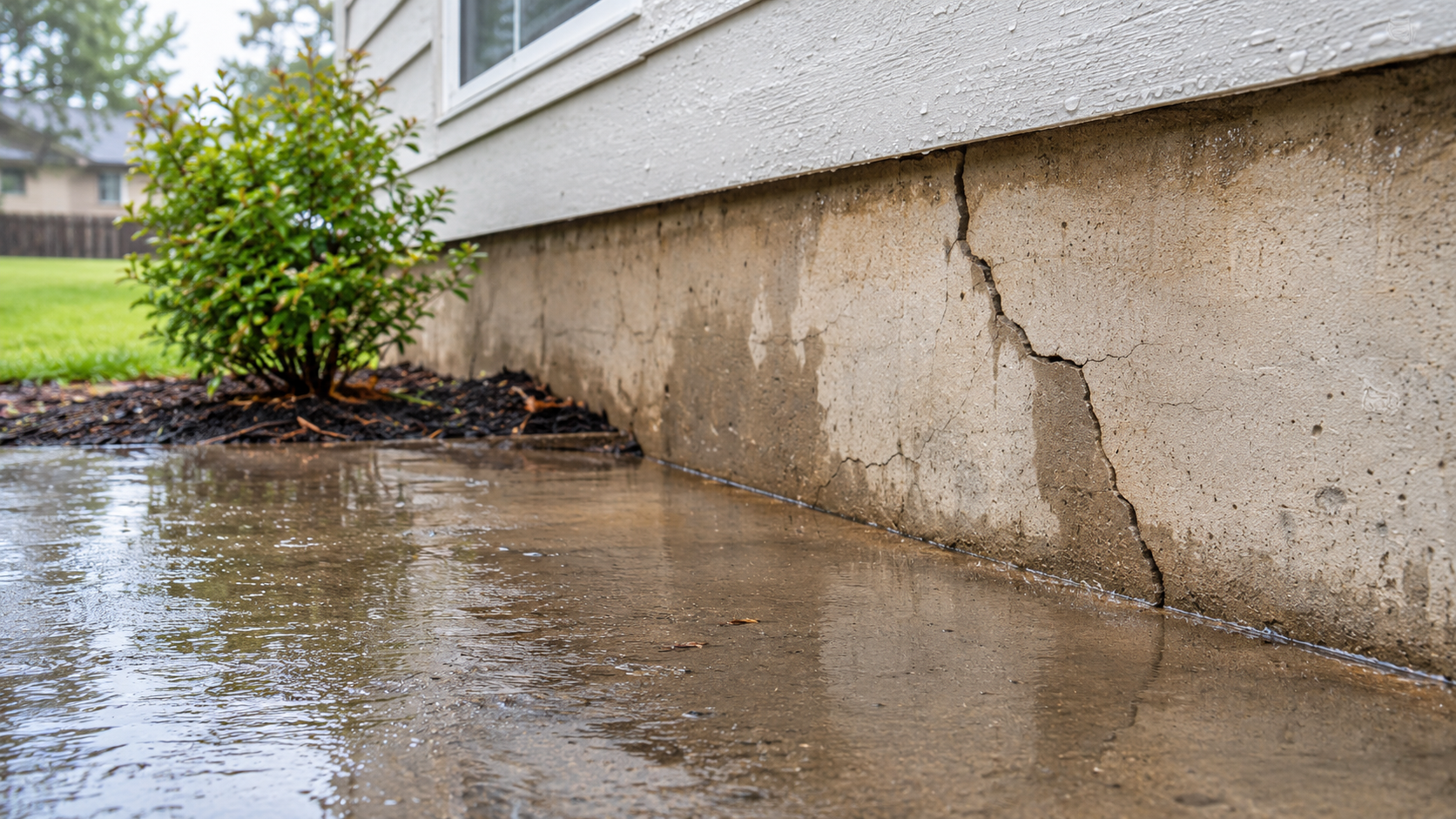
Attention A few days after a big Oklahoma storm, you spot a thin line running across your foundation wall. Or a door that closed fine last week now sticks. It's natural to wonder if the rain did something to your house. The short answer is that heavy rain can bring existing foundation problems to the surface, and in Oklahoma City, the soil under your home plays a big role. Here's what's usually normal, which signs deserve a closer look, and what you can do about the water causing them. Why Heavy Rain Shows Up in Your Foundation Oklahoma's clay soil expands when it's saturated and contracts as it dries out. That's normal for clay, and a foundation can handle some of it. The trouble starts when the soil around your home moves unevenly. If one side of the house stays soaked because water collects there, while another side dries out, the foundation gets pushed and pulled in different directions. That uneven movement, more than water touching the concrete, is what leads to cracks. That's why a foundation can look fine through a dry stretch and then show new cracks after a week of storms. To learn more about how this works, read our guide to foundation water damage in OKC and our post on how Oklahoma's clay soil makes yard drainage worse . Cracks That Are Often Minor Not every crack is a warning sign. Concrete naturally shrinks as it cures, and many homes develop thin hairline cracks over the years without any serious movement. As a general rule, a crack is less likely to be a concern when it is: Very thin and stays the same size over time Dry, with no staining, moisture, or musty smell Not paired with any other changes in the house If you're not sure, mark the ends of the crack with a pencil and the date, then check it again after the next few storms. A crack that doesn't change is usually less urgent than one that grows. Signs That Need Attention These are the signs we see most often when poor drainage is affecting a foundation: Cracks in the foundation wall: especially cracks that are growing, getting wider, running horizontally, or following a stair-step pattern through brick. Doors and windows that stick: if they no longer close flush, the house may be shifting slightly. Gaps between the foundation and siding or trim: a space that wasn't there before can mean movement. Moisture or a musty smell: in a basement or crawl space, this can point to water getting in. If you see one or more of these, it's worth having someone look at your foundation and your yard. Our foundation repair team repairs settling foundations across the Oklahoma City metro using steel push piers and helical piers, and can tell you what's happening with your foundation. What Your Yard Is Doing to Your Foundation When we assess yards in the OKC area, a few causes come up again and again: Downspouts that empty too close to the house: all that roof water lands right next to the foundation. See our post on downspout extensions vs. French drains for options. A yard that has lost its slope: over time, soil settles, and ground that once sloped away from the house can flatten out or even slope toward it. Learn how grading restores that slope. No drain to carry water away: without a subsurface system, water has nowhere to go but into the soil next to your home. How to Fix the Water Problem The right fix depends on where the water is coming from. Common solutions include: Gutter downspout tie-ins that send roof water away from the house instead of letting it land at the foundation French drains that collect water from the soil and move it to a better location Grading and reslope work that restores a gentle slope away from the home Not sure which one you need? Our comparison of grading vs. French drains can help you tell where to start. Fix Drainage and Foundation Problems Together If your foundation already needs repair, fixing the drainage at the same time matters. A repair can stabilize the foundation, but if water keeps pooling next to the house, the same soil movement can bring the damage back. Because we handle both foundation repair and yard drainage, we can look at the whole picture instead of treating one problem and leaving the cause behind.  Get a Free Assessment Elite Outdoor Living Solutions helps homeowners in Oklahoma City, Edmond, Norman, Moore, Yukon, and Bethany find where yard water is coming from and fix it. If you've noticed cracks, sticking doors, or water collecting near your home after rain, call (405) 972-8338 or request a free assessment to see what's going on.
October 28, 2026
How commercial drainage protects OKC parking lots and business properties from flooding, liability risks and heavy Oklahoma storms. Free assessment.
October 21, 2026
How poor drainage damages your foundation, the early warning signs, and why fixing drainage comes first. Protect your OKC home: (405) 972-8338.
October 14, 2026
Should you regrade your yard or install a French drain? Learn the signs of each problem and the right order to fix water pooling in OKC.
October 7, 2026
Is a downspout extension enough, or do you need a French drain? How to tell which fixes the water pooling near your OKC home's foundation.
September 30, 2026
If you've lived in the Oklahoma City metro for more than a season or two, you've probably noticed your yard seems to hold water longer than a friend's property just a few miles away. There's a real reason for that, and it comes down to what's actually underneath the grass: dense, compact clay soil that behaves very differently from the sandy or loamy soil drainage systems are often designed around. Why Clay Soil Drains So Poorly Clay particles are extremely fine and pack together tightly, leaving very little pore space for water to move through. Where sandy soil lets water percolate down and away within hours, clay-heavy soil can hold water at the surface or just below it for days. This is why so many OKC yards develop soggy patches, standing water, and slow-draining low spots even after a modest rain. The Foundation Risk Clay Soil Adds Clay soil doesn't just drain slowly — it also expands significantly when saturated and contracts when it dries out. This expansion and contraction cycle puts real pressure on foundations, driveways, and any hardscape sitting on top of it. A drainage problem on clay soil isn't just an inconvenience; over years, it becomes a structural risk to the property. Why Standard Drainage Advice Doesn't Always Apply A lot of generic drainage advice assumes soil that percolates reasonably well. On OKC clay, a French drain needs to be sized and sloped more aggressively to move water effectively, and grading work often needs steeper slopes than would be necessary on sandier soil, simply because clay won't absorb the volume a lighter soil type would handle on its own. What Actually Works on Clay Soil Systems designed specifically with clay's slow percolation rate in mind — properly sloped French drains with adequate gravel volume, catch basins positioned at real collection points rather than guessed locations, and grading that accounts for how much longer water sits before it moves — perform far better long-term than a generic drainage plan borrowed from a different soil type. This is also why a site assessment before installation matters more in OKC than it might in a region with lighter soil.  Get a Drainage Plan Built for OKC Soil Elite Outdoor Living Solutions designs yard drainage systems specifically accounting for Oklahoma's clay-heavy soil across Oklahoma City, Edmond, Norman, Moore, and Yukon. Call (405) 972-8338 or contact us for a free consultation.
September 23, 2026
What a catch basin does, why a French drain alone isn't always enough, and where catch basins go in an OKC yard. Free drainage quote.
September 16, 2026
Water pooling again or soggy ground over the drain line? Learn the signs of a failed French drain and how we repair it in Oklahoma City.
September 9, 2026
French drain or surface drain? Learn which one fixes your OKC yard's standing water or soggy soil, and when you need both. Free drainage assessment.
September 2, 2026
Ask the right questions before hiring a pool builder. Ensure a smooth project and avoid hidden costs. Contact us for expert guidance!