
Planning a Summer Pool Build in OKC

August 12, 2026

Planning a Summer Pool Build in OKC: The Timeline From Quote to First Swim

You've decided this is the year. The kids are getting older, the backyard's been sitting empty, and you want to be floating in your own pool by the time July hits. Smart move — but here's the thing most OKC homeowners don't realize until they start calling around: a pool isn't an off-the-shelf purchase. It's a build, and builds run on a timeline. The earlier you understand that timeline, the better your odds of swimming this summer instead of next.


We install pools across the metro, so here's the honest walkthrough of how long an inground pool installation actually takes, phase by phase.


The Short Answer: 6 to 12 Weeks

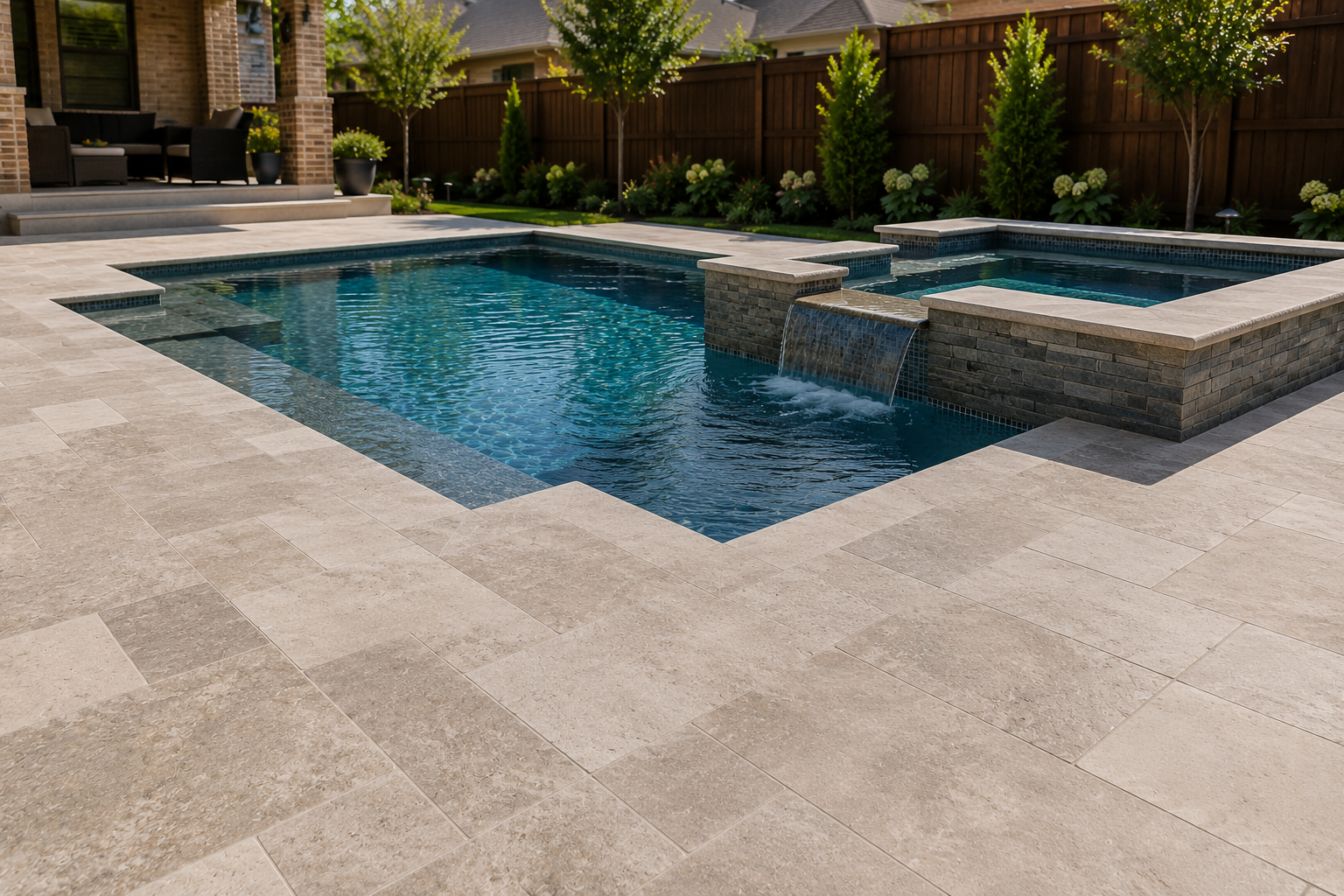
Most inground pool installations in OKC take 6 to 12 weeks from start to finish. Where you land in that range depends mostly on the type of pool. Fiberglass tends to finish faster, around 6 to 8 weeks, because the shell arrives pre-manufactured. Custom gunite runs 8 to 12 weeks because concrete needs time to cure properly. Spring builds can stretch longer when demand and Oklahoma weather both pile on.

That's just construction. It doesn't count the time before the first shovel hits the ground, which is where a lot of homeowners lose weeks they didn't budget for.


The Full Timeline, Phase by Phase

1. Consultation and design

We walk your property, look at access, grading, and soil, and talk through what you actually want from the space. You pick pool type, shape, and features. This is also where you get a fixed-price quote. Budget a week or two here, depending on how quickly you settle on a design.


2. Permits and planning

Pools require permits, and that timeline isn't fully in our hands — it depends on your municipality. Edmond, Yukon, and OKC proper can each move at different speeds. Building this in early is exactly why starting now matters if you want a summer swim.


3. Excavation

The dig. This is the dramatic day when your backyard becomes a job site. Access and lot conditions drive how long it takes — a tight gate or a sloped Edmond yard adds time.


4. Shell installation

For gunite, this is forming, steel, and the concrete application, followed by the all-important cure. For fiberglass, it's setting the pre-built shell. This phase is the biggest difference between the two timelines.


5. Plumbing, equipment, and decking

Lines, pumps, filters, and the surface you'll actually live on. Your concrete pool deck goes in here, so factor it into the schedule rather than treating it as a separate project later.


6. Finishing, fill, and startup

Final finish, water, and getting the chemistry and equipment dialed in. Then you swim.


Why Booking Early Actually Matters

This isn't a sales line — it's calendar math. If you want to swim by mid-summer, count backwards. A gunite build can take up to 12 weeks of construction, plus design and permit time on the front end. That means the homeowners floating in July booked in spring. By the time the weather is undeniably pool weather, the season's build slots are filling up. Pool season in OKC waits for no one, and neither does the schedule.


What Can Add Time to Your Build

Honest expectations beat happy surprises. Here's what stretches a timeline:

  • Permit delays — varies by municipality, outside the builder's control
  • Weather — Oklahoma rain and storms pause excavation and concrete work
  • Site access — tight gates and slopes slow excavation and material delivery
  • Soil conditions — expansive clay or unexpected ground issues
  • Custom features — spas, water features, and complex shapes add steps
  • Change orders — design changes mid-build reset parts of the schedule


What to Ask Before You Sign

  • What's the realistic week-by-week schedule for my specific build?
  • Is the deck included in this timeline, or is it a separate job?
  • How do you handle permit time, and is that in your estimate?
  • What happens to the schedule if we hit weather delays?
  • Is this a fixed-price quote, or could the number move mid-build?


A Quick Word on Cost

Timeline and budget go together. Pool builds in OKC range from $36,000 for a basic vinyl liner pool up to $300,000+ for ultra-luxury installations, with most custom gunite builds landing in the $65,000 to $150,000 range. We quote fixed-price after seeing your lot, so the number you sign is the number you pay. (For a full cost breakdown, that's a whole topic of its own.)


How Elite Outdoor Living Solutions Builds on Schedule

We give you a real timeline, not a hopeful one. When we design your pool for a property in Bethany, Yukon, Edmond, Mustang, Moore, or Nichols Hills, we map the schedule against permit realities and your build type, and we keep you in the loop as it moves. We also handle the custom pool design and decking together, so the whole project runs as one build instead of a series of disconnected jobs.


Get a Free Pool Estimate in Oklahoma City

Want to swim this summer? The clock's already running. Call Elite Outdoor Living Solutions at (405) 972-8338 or reach out through our contact page. We'll walk your yard, map a realistic timeline, and give you a straight, fixed-price quote with no pressure.
September 23, 2026
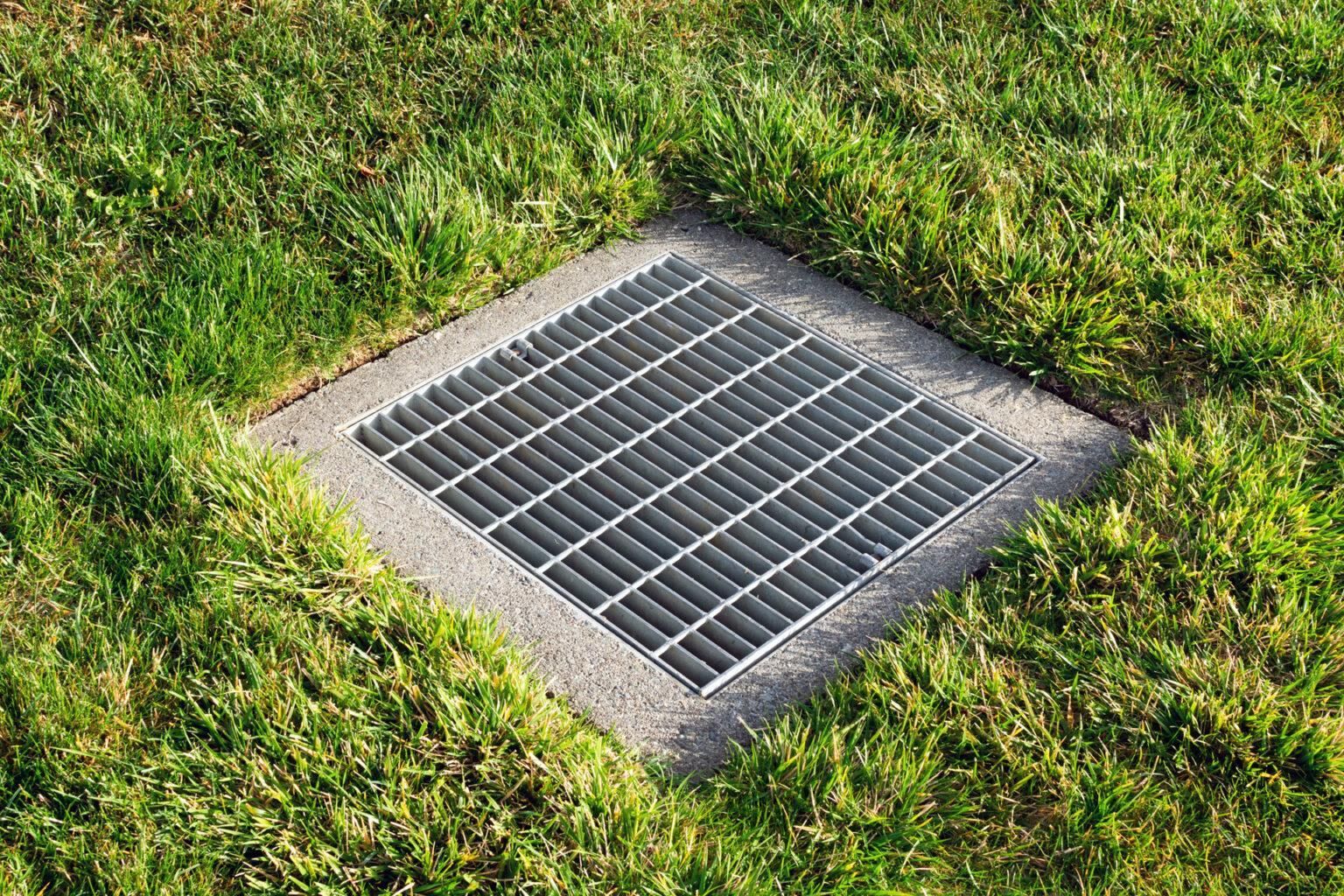
A catch basin is one of the most misunderstood pieces of a yard drainage system. It's not a French drain and it's not a surface drain exactly — it's a collection point, and understanding what it actually does helps explain why some OKC yards need one even after a French drain is already installed. What a Catch Basin Does A catch basin is a below-grade box, usually with a grate on top, installed at a low point in the yard where water naturally collects. Water flows into the grate, settles in the basin, and is then piped away to a discharge point — a street, a dry well, or further into a French drain system. The basin itself also traps debris like leaves and silt before they can travel further into the pipe system and cause a clog downstream. Why a French Drain Alone Isn't Always Enough A French drain is excellent at intercepting water moving through soil, but it isn't designed to handle a large volume of water arriving quickly at a single low point — like the base of a downspout during a heavy Oklahoma storm, or a spot where multiple slopes in the yard converge. Trying to route that volume directly into a French drain's gravel bed can overwhelm it faster than it's designed to handle. A catch basin at that collection point takes the initial volume and controls how much enters the rest of the system. Common Places Catch Basins Get Installed The base of downspouts where roof runoff concentrates, low corners of a yard where multiple grade slopes meet, areas next to patios or driveways where hardscape sheds water into the yard, and spots prone to standing water that a French drain alone hasn't resolved are all typical catch basin locations. We often add a catch basin as part of a larger drainage plan rather than as a standalone fix, since it works best feeding into a larger system rather than as an isolated solution. Maintenance Matters Because catch basins are designed to trap debris, they need periodic cleaning — leaves, silt, and dirt that collect in the basin will eventually restrict flow if never cleared out. This is a simple maintenance task, but one that's easy to forget until the basin overflows during the next big storm.  Get a Full Drainage Plan for Your Property If your yard has a spot where water consistently overwhelms the current setup, Elite Outdoor Living Solutions designs complete yard drainage systems — including catch basins — for properties across Oklahoma City, Edmond, Norman, Moore, and Yukon. Call (405) 972-8338 or contact us for a free consultation.
September 16, 2026
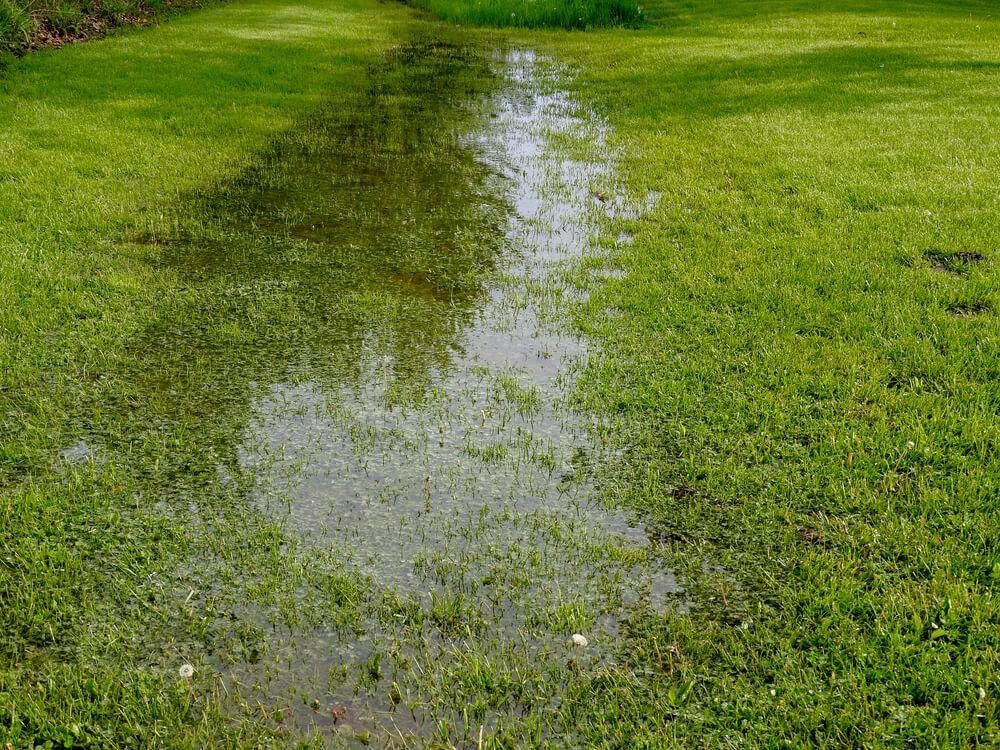
A French drain isn't a set-it-and-forget-it system forever. Pipes clog, gravel beds compact and fill with silt, and systems installed without the right slope or outlet stop working long before most homeowners notice — usually right around the time a big storm reveals the problem. Standing Water Returns Where It Used to Drain The clearest sign is the most obvious one: an area that used to stay dry after rain is pooling again. This almost always means the pipe is clogged with silt or debris, the gravel bed has compacted and lost its ability to move water, or the outlet the drain empties into is blocked. Soggy Ground Directly Over the Drain Line If the ground along the drain's path stays wet or spongy longer than the surrounding yard, water is likely surfacing along the trench instead of moving through the pipe as intended. This can mean the pipe has collapsed, shifted, or was installed without enough slope to keep water moving toward the outlet. Water Near the Foundation Despite Having a Drain If a French drain was installed specifically to protect your foundation and you're still seeing moisture in the basement or along the foundation wall, the system either isn't intercepting water before it reaches that zone, or the original installation wasn't deep enough or positioned correctly relative to the foundation. What Repair Actually Involves Fixing a failed French drain starts with locating the failure point — usually by excavating a section to inspect the pipe and gravel condition, or using a camera scope for longer runs. Depending on what we find, repair can mean flushing and clearing debris, replacing a collapsed or damaged section of pipe, adding gravel back where it's compacted, or in some cases, re-routing the system entirely if the original slope or outlet was never correct to begin with. When It's Time to Replace Rather Than Repair A French drain installed without proper fabric wrapping around the gravel bed will silt up repeatedly no matter how many times it's cleared, since the root cause — soil migrating into the gravel — was never addressed. In these cases, a full reinstall with the correct materials is more cost-effective long-term than repeated cleanouts.  Get Your Drainage System Inspected If your French drain isn't performing the way it used to, Elite Outdoor Living Solutions inspects and repairs yard drainage systems across Oklahoma City, Edmond, Norman, Moore, and Yukon. Call (405) 972-8338 or contact us for a free assessment.
September 9, 2026
The body content of your post goes here. To edit this text, click on it and delete this default text and start typing your own or paste your own from a different source.
September 2, 2026
Ask the right questions before hiring a pool builder. Ensure a smooth project and avoid hidden costs. Contact us for expert guidance!
September 1, 2026
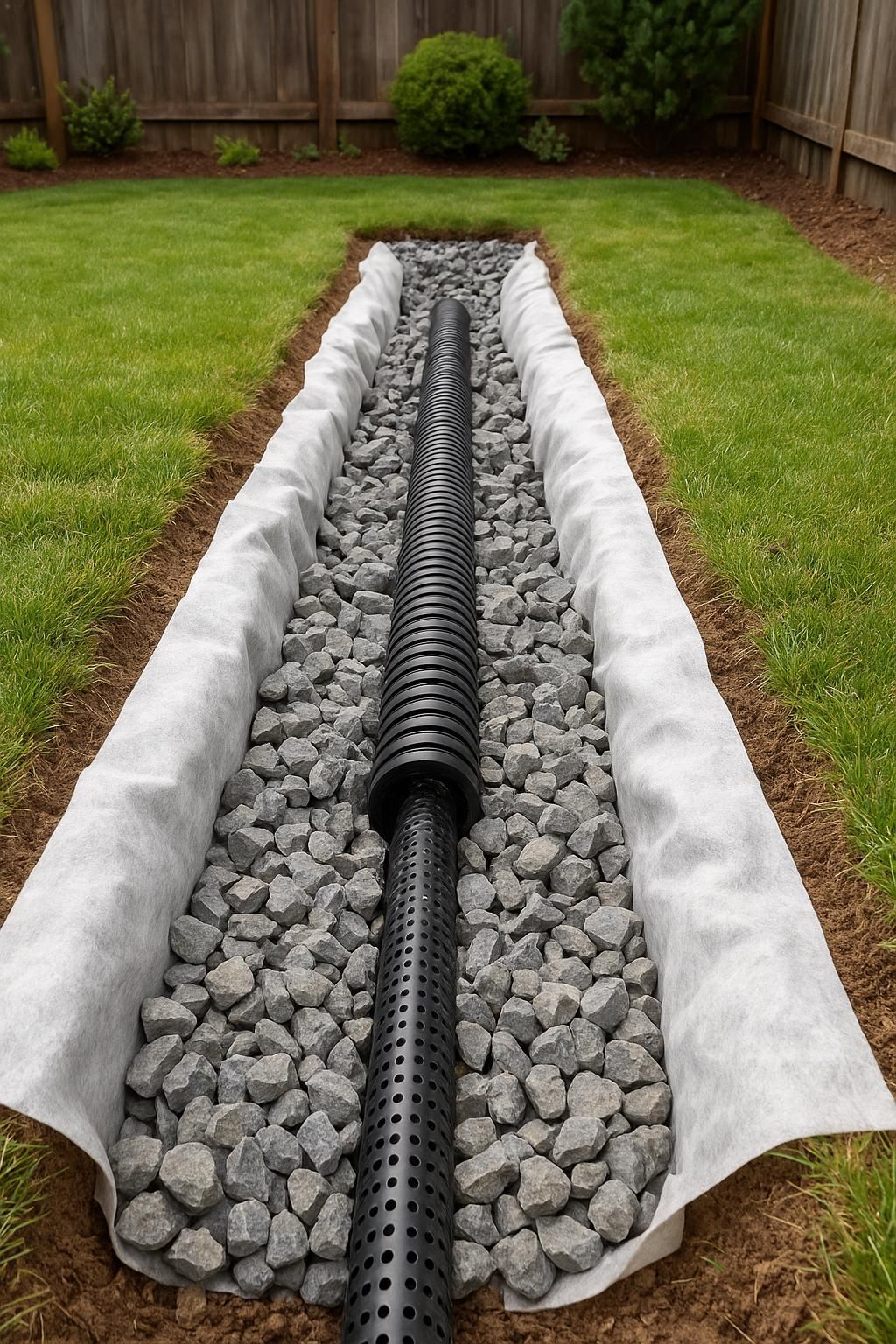
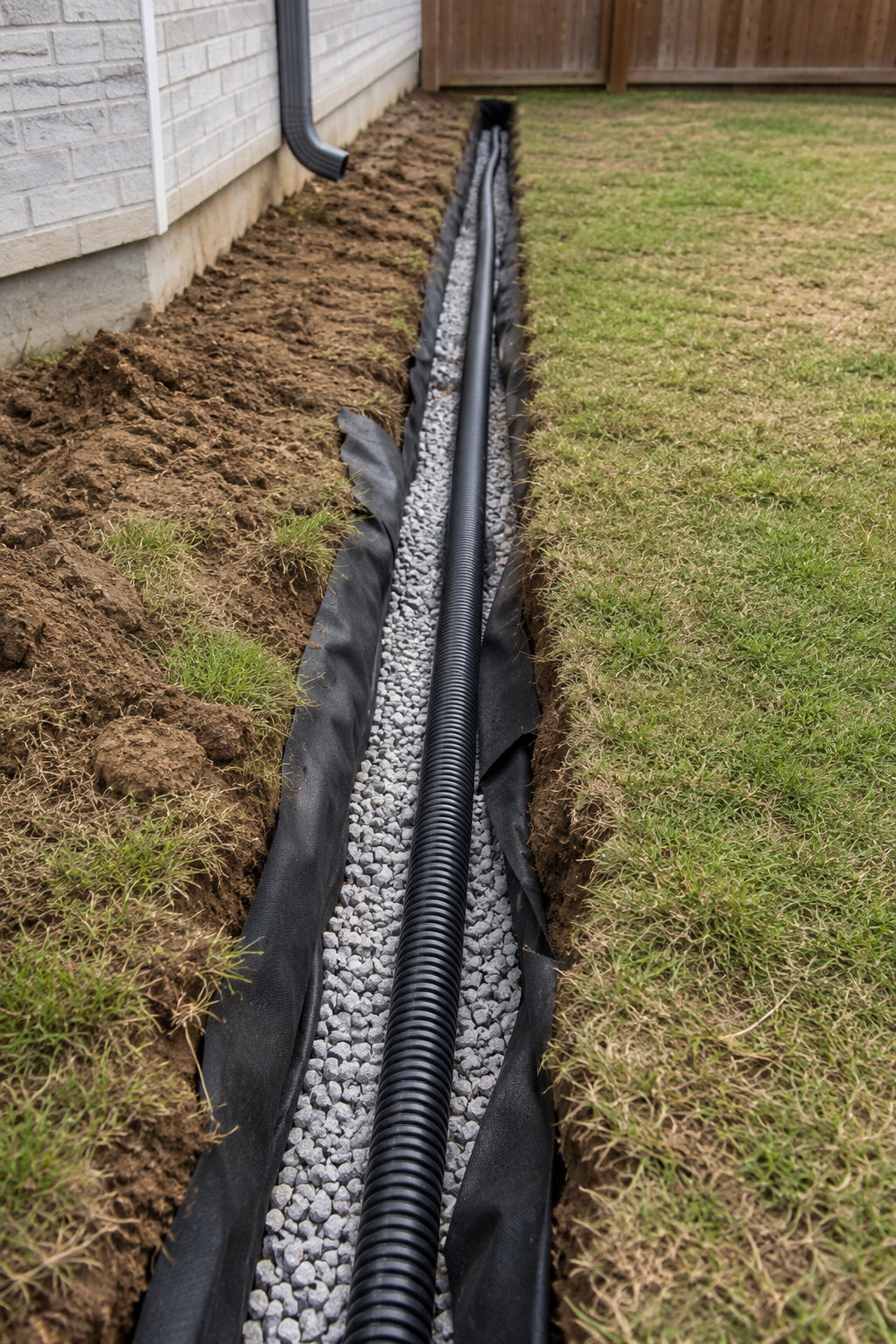
Once you know your yard needs a French drain, the next question is usually what the installation itself looks like — how long it takes, what gets dug up, and what your yard looks like when it's done. Here's what the process actually involves, step by step. 1. Site Assessment and Utility Marking Every installation starts with a walk of the property to confirm where water is collecting, trace where it's coming from, and map out the best path for the drain to carry it away. Before any digging happens, underground utilities on the property have to be located and marked — skipping this step risks hitting a gas, water, or electrical line during trenching. 2. Trenching Along the Planned Path With the path marked, the trench gets dug to the depth and slope needed to move water by gravity toward the discharge point. Getting the slope right matters more than the trench being deep — a French drain with the wrong grade won't drain properly no matter how well the rest of it is built. 3. Lining the Trench and Placing the Pipe The trench gets lined with landscape fabric, which keeps soil and sediment from working their way into the gravel and clogging the system over time. A perforated pipe goes in along the bottom of the trench, oriented so water can enter through the perforations and flow toward the discharge point. 4. Backfilling with Gravel Gravel gets backfilled around and over the pipe, filling the trench and giving water an easy path to travel through instead of sitting in the surrounding soil. The landscape fabric gets folded over the top of the gravel before the trench is closed, to keep the system from filling in with dirt over time. 5. Connecting to a Discharge Point The system has to end somewhere water can actually go — a street, a dry well, or a low point on the property away from the house. A French drain that isn't tied into a real discharge point just moves water a short distance instead of actually solving the problem, so this connection is one of the most important parts of getting it right. 6. Restoring the Yard Once the trench is filled and compacted, any sod or landscaping that was disturbed during digging gets restored as closely as possible to how it looked before. On most residential jobs, the trench line is the only visible trace once the yard is cleaned up and any disturbed grass has a chance to fill back in. How Long It Takes Most straightforward residential French drain installations wrap up within a day or two. Longer runs, systems that have to route around existing landscaping or hardscape, or yards where several problem areas are being tied into one system can take longer. The site assessment is usually where that timeline gets a clearer answer, since it depends on the specific yard. What to Do Before the Crew Arrives Clear the work area of furniture, planters, or anything else near the planned trench path. Point out any sprinkler lines, invisible fence wire, or landscape lighting that might not show up on a utility locate. Expect some disturbed grass or landscaping directly along the trench line — this is normal and typically fills back in or gets reseeded after installation. After Installation Once the trench is closed and the yard is cleaned up, the disturbed area along the trench line is usually the only visible sign work happened — everything else is below the surface. Grass along the trench typically needs a few weeks to fill back in. From that point, the system works continuously below ground any time it rains, without anything for the homeowner to maintain day to day.  Get a French Drain Installation Quote Elite Outdoor Living Solutions installs French drains and full yard drainage systems across Oklahoma City, Edmond, Bethany, Nichols Hills, Norman, Moore, Yukon, and Mustang. Every installation starts with an on-site assessment, so the scope and timeline reflect your actual yard rather than a general estimate. Call (405) 972-8338 or contact us to get started.
August 26, 2026
Learn how Vuba Stone lasts 10-15 years in Oklahoma's climate. Contact us for expert installation and durable outdoor solutions!
August 19, 2026
Compare French drains, channel drains, & catch basins for your yard. Choose the right solution today!
August 7, 2026
Learn when to repair or resurface your concrete pool deck. Get expert advice today!
July 29, 2026
Ignoring yard drainage can lead to costly damage. Learn about French drains & protect your home. Contact us for tailored solutions!
July 24, 2026
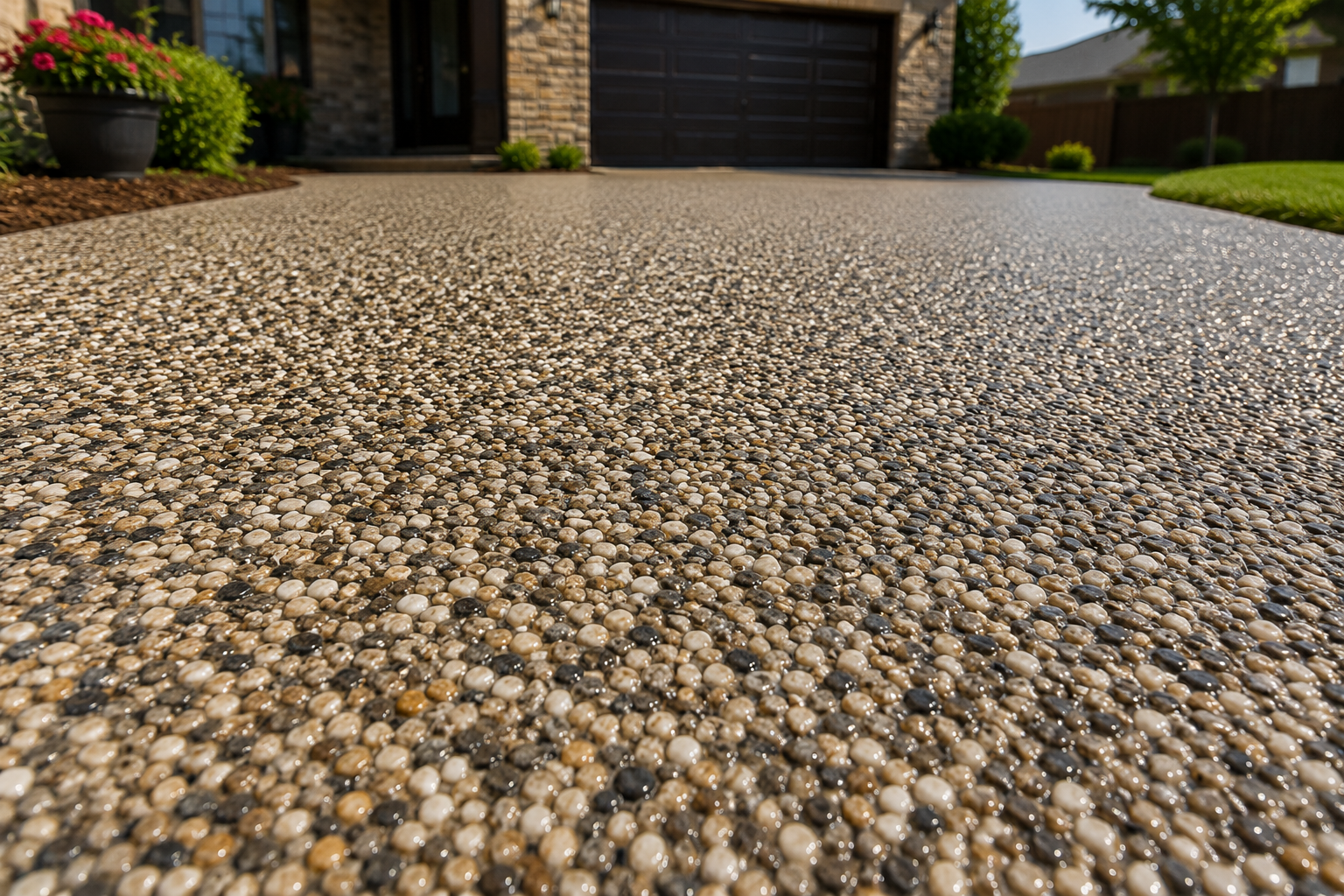
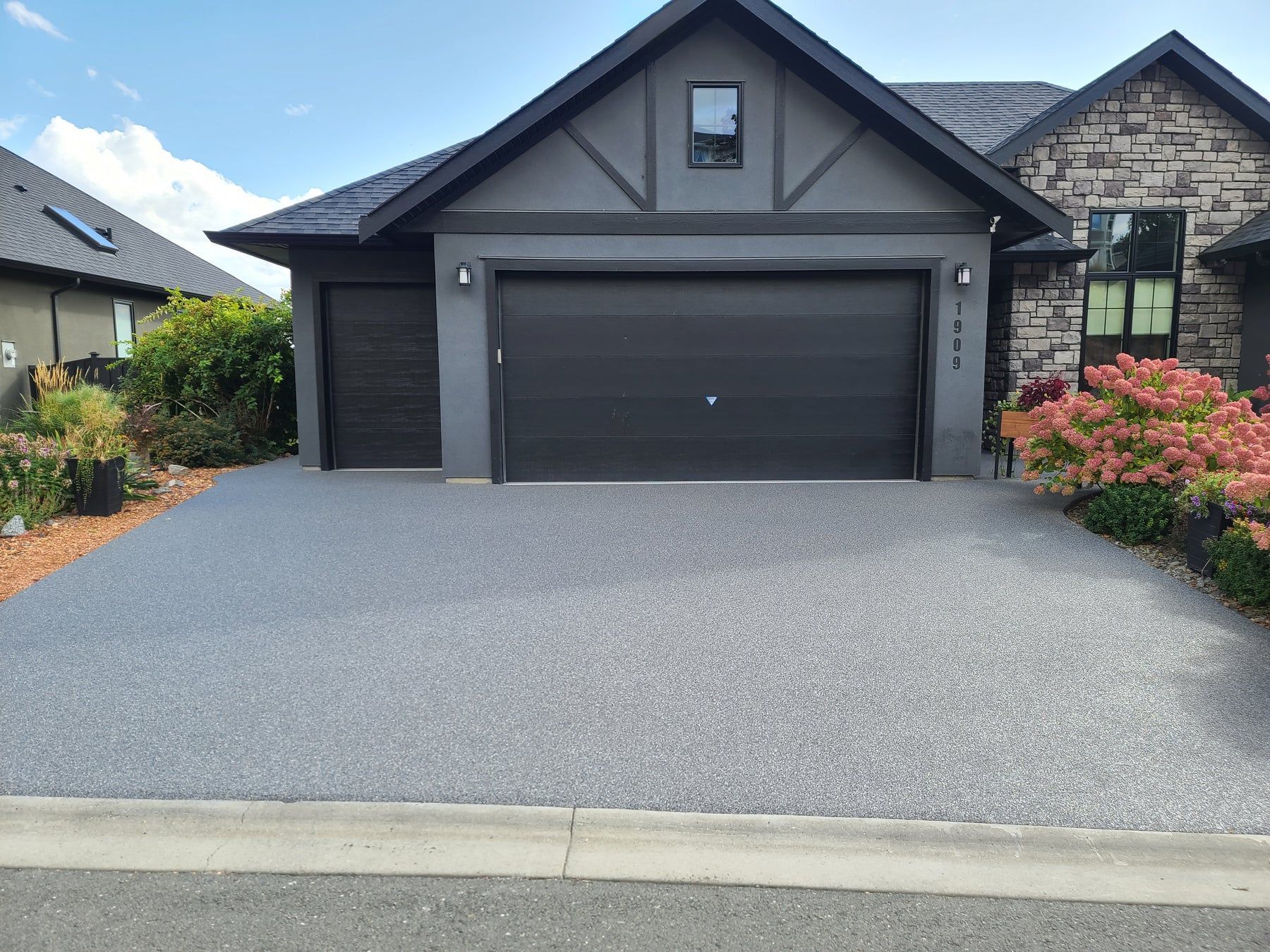
Homeowners in Edmond & Nichols Hills choose resin-bound driveways for durability & style. Contact us for a quote today!