
Vuba Stone vs. Pavers vs. Stamped Concrete for OKC Pool Decks
November 25, 2026

Choosing a pool deck surface is one of the biggest decisions in a backyard project. It affects how the pool area looks, how it feels under bare feet, and how much upkeep you'll sign up for over the years.


For many Oklahoma City homeowners, the choice comes down to three popular options: Vuba stone, pavers, and stamped concrete. Here's how they compare on the things that matter most around a pool.


A Quick Look at Each Option

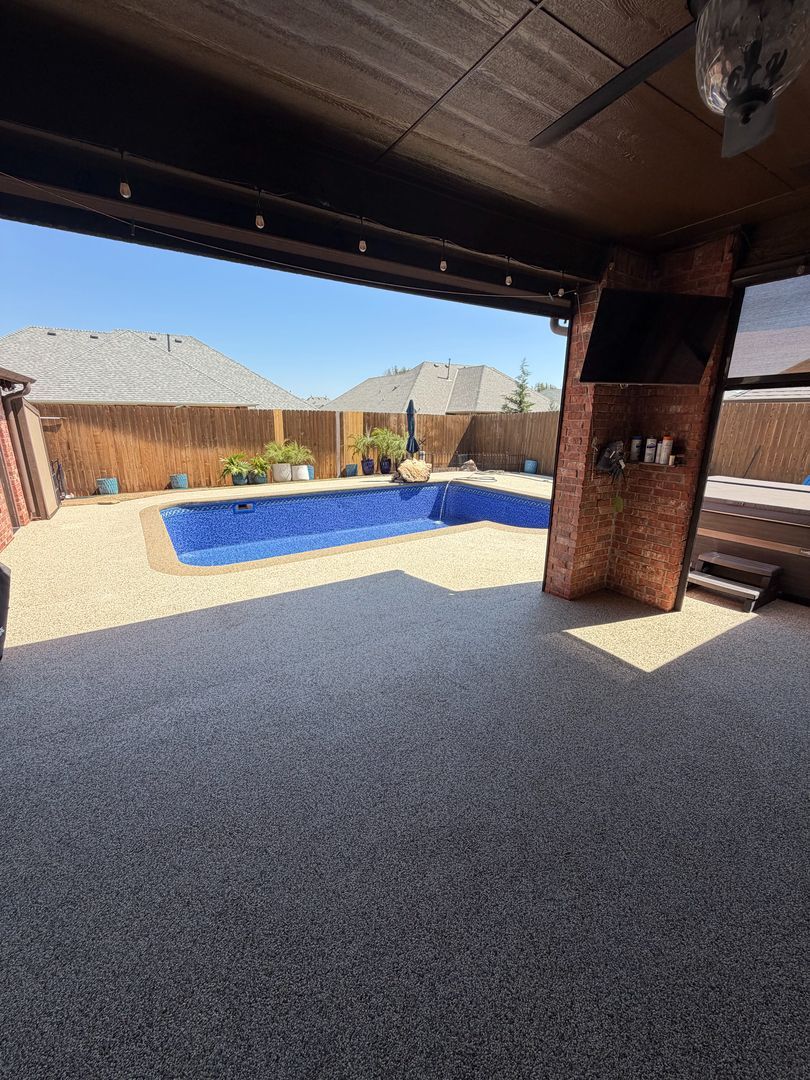
Vuba stone is a resin-bound paving system made of natural marble and quartz stone bound with UV-stable polyurethane resin. It's hand-troweled into a smooth, seamless surface. If you're new to it, start with our guide to what Vuba stone is.

Pavers are individual stones or concrete units set in a pattern. They come in many shapes, colors, and styles, and the joints between them are filled with sand or a similar material.

Stamped concrete is poured concrete pressed with patterns and colored to look like stone, brick, or tile.


Slip Resistance Around the Pool

Wet feet and smooth surfaces don't mix, so traction matters. Vuba stone is a non-slip surface, which is one reason homeowners choose it for pool surrounds. Pavers and stamped concrete can also be good choices, but the finish matters. A very smooth or sealed surface can get slick when wet, so it's worth asking about the texture before you decide.


How They Feel Underfoot in the Oklahoma Heat

Oklahoma summers are hot, and a pool deck gets full sun. Vuba stone is described as cool underfoot, which is helpful for kids and pets running from the pool. Surface temperature on any material depends on its color and the amount of sun it gets, so lighter colors are generally more comfortable than darker ones, no matter which option you pick.


Drainage

This is where Vuba stone stands apart. It's a permeable surface, which means water drains through it instead of running off the top. Pavers can allow water to seep through their joints, depending on how they're installed, while stamped concrete is a solid surface that relies on slope and drains to carry water away. For any pool deck, water needs to move away from the pool and the house, so drainage should be planned either way. Our post on standing water in your yard shows what can go wrong when it isn't.


Seams, Joints, and Cracks

Each material handles joints differently:

  • Vuba stone has no control joints and no gaps between stones, so the surface is smooth and continuous.
  • Pavers have joints between every unit. They create a classic look, and over time, joints may need attention to keep the surface tight.
  • Stamped concrete is a slab and can develop cracks over time, as any concrete can.

Upkeep and Lifespan

Vuba stone needs minimal care: no sealing, re-grouting, or re-leveling, just an occasional rinse. Elite's guide estimates a lifespan of 10–15 years with minimal maintenance. Pavers and stamped concrete are long-lasting options too, but they typically call for more routine care, such as sealing or joint maintenance, depending on the material. For a deeper look at longevity, read how long Vuba stone lasts in Oklahoma's climate.


Installing Over an Existing Deck

If you already have a concrete pool deck in good shape, Vuba stone can be installed directly over sound concrete, which can save the cost of tearing it out. Pavers and stamped concrete usually mean a new surface built from the base up. Whether any option works for your deck depends on the condition of what's there now, which is why we look at every project in person first.


Which Is Right for Your Pool?

Each material has a place. Vuba stone is a strong fit if you want a smooth, seamless, permeable surface with a modern look and low upkeep. Pavers fit homeowners who like a classic pattern or want more color and shape variety. Stamped concrete works well if you want the look of stone or brick on a slab. Explore our Vuba stone installation, concrete, and hardscaping services to compare them side by side.


Plan Your Pool Deck With Elite

Elite Outdoor Living Solutions builds pool decks and outdoor living spaces for homeowners in Oklahoma City, Yukon, Edmond, Mustang, Moore, Nichols Hills, and Bethany. Call (405) 972-8338 or request a free estimate to see which surface fits your pool and your backyard.
November 18, 2026
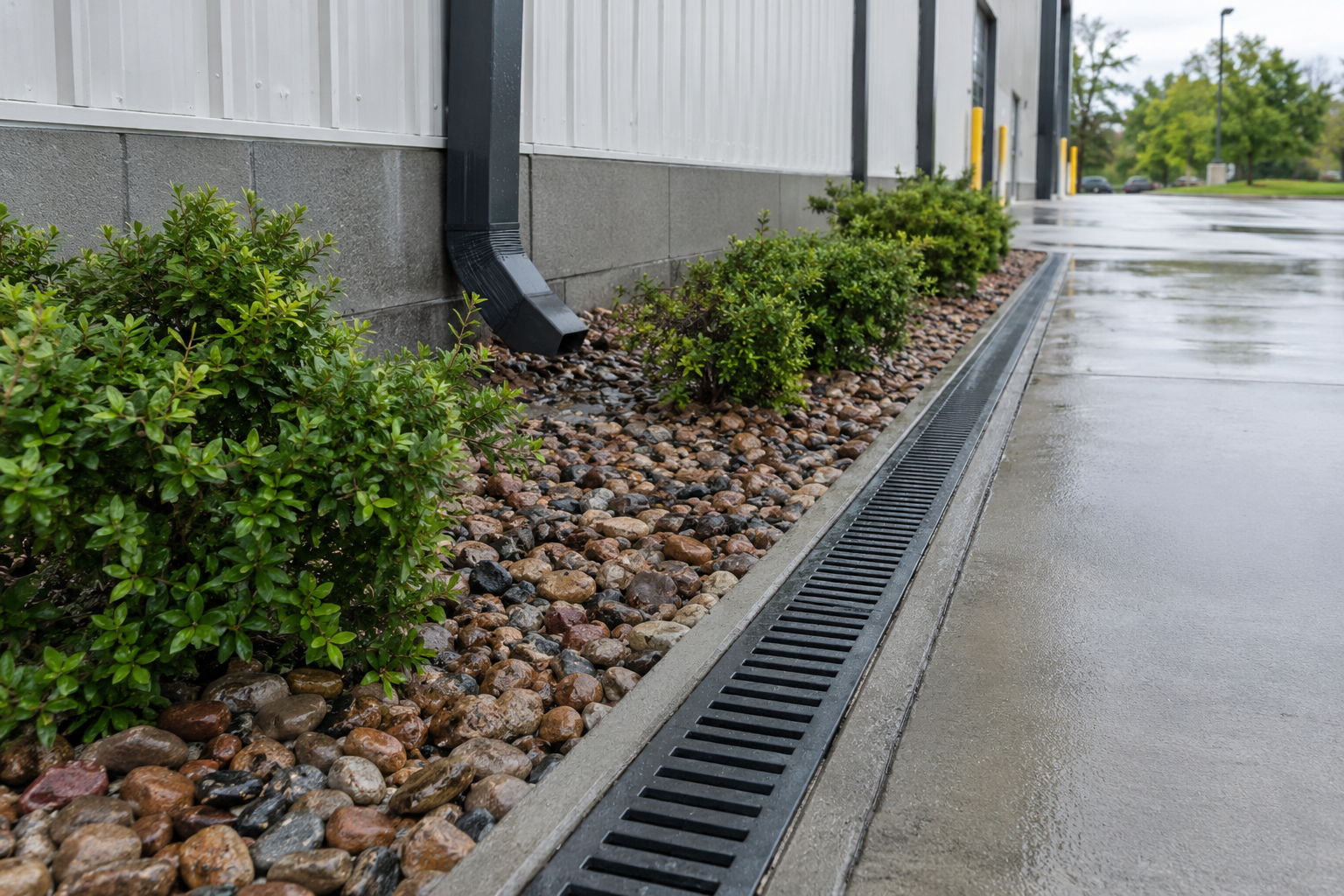
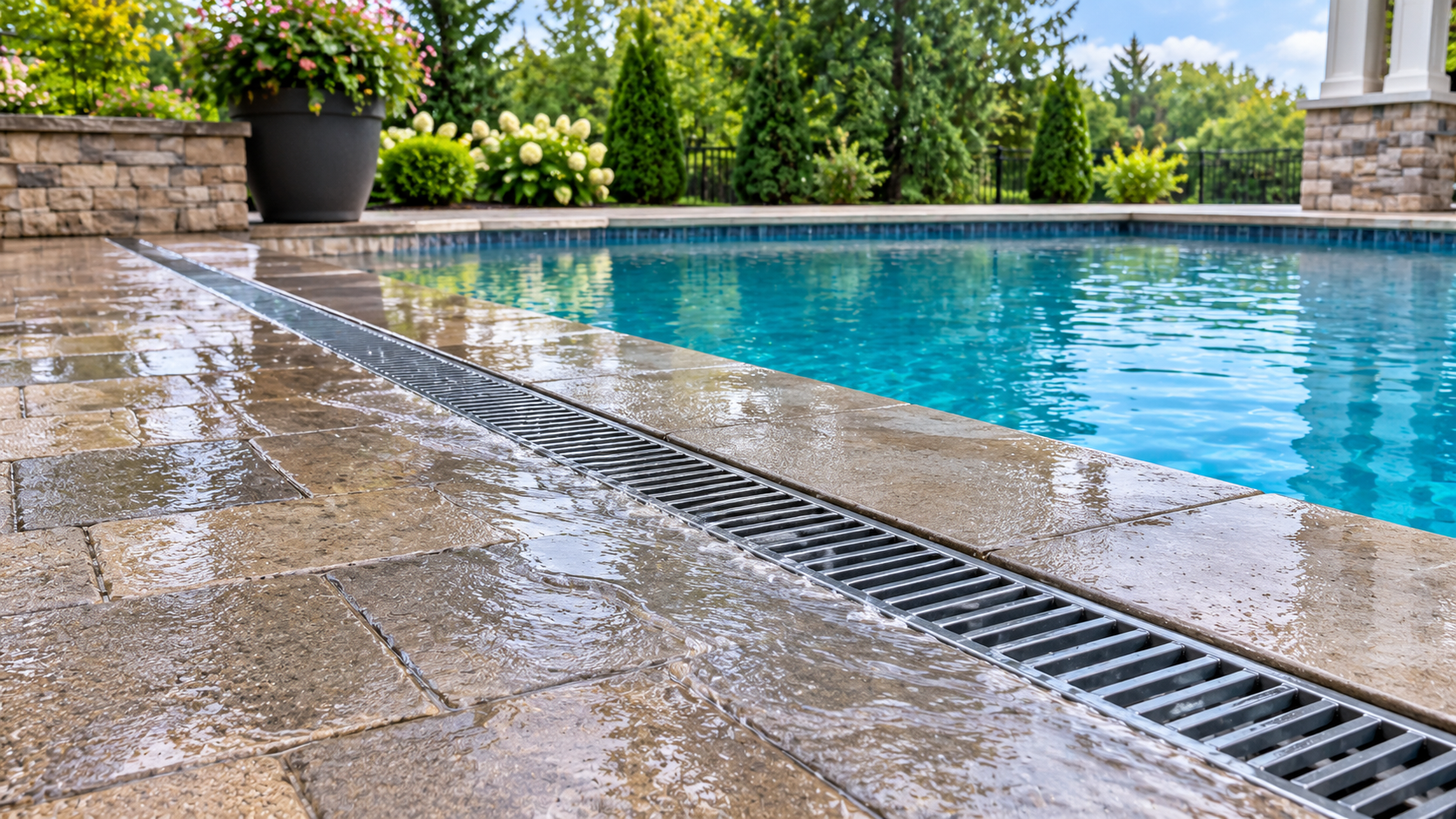
You spend good money on a patio or pool deck so you can relax, entertain, and enjoy the backyard. But after a hard Oklahoma rain, standing water can turn that space into a puddle, a slippery hazard, or a mess of mud and debris. The right drains solve that problem by giving water a place to go. Here's how drainage works around patios and pool decks, which types of drains are most common, and the signs your outdoor space needs help. Why Patios and Pool Decks Need Drainage Concrete and other hard surfaces don't absorb water the way soil does. When it rains, water runs across the surface until it finds a low spot, an edge, or a drain. Without a plan for where that water should go, it can end up in places you don't want it: Pooling on the patio, making it slippery and slow to dry Running toward the house or the foundation Washing soil and mulch onto the surface Collecting around the pool, where it can carry dirt and debris into the water Good drainage keeps your outdoor living space usable after a storm and helps protect the areas around it. Channel Drains: A Clean Line Along the Edge A channel drain is a long, narrow drain, covered by a grate, that sits flush with the surface. It's often placed along the edge of a patio, at the bottom of a slope, or across an area where water tends to run. Water flows into the channel and is carried away to a better location. Channel drains work well on hard surfaces because they catch water across a wide area instead of in just one spot, and they blend into the design. For more detail on how they work, read our post on efficient channel drain installation . Surface Drains: Catching Water in Low Spots Surface drains collect water from a specific low area, such as a corner of the yard next to a patio, and send it through underground pipe to a better outlet. They're a good fit when water gathers in one spot rather than flowing along a long edge. Matching the Drain to the Space Which option makes sense depends on where the water comes from and where it needs to go. In general: Channel drains are often a good choice where water runs across a hard surface, like along a patio edge or at the base of a slope. Surface drains are often used for low spots where water collects. Catch basins and French drains can handle larger volumes or water that soaks into the soil around the patio. Many yards need more than one type working together. Our guide to French drains vs. channel drains vs. catch basins explains how to tell which one fits. Drainage Around Pool Decks A pool deck has to handle more than rain. Splashing, swimmers, and cleaning all put water on the surface, and that water needs to run away from the pool and the house. When a deck is built with drainage in mind, water moves off the surface and out to the yard. When it isn't, you may notice puddles near the pool, standing water that takes a long time to dry, or water running toward the house. If you're planning a new pool, drainage works best when it's part of the design from the beginning. Read more about pool construction and our concrete work to see how it all fits together. Signs Your Patio or Pool Deck Needs Better Drainage Puddles that stay long after the rain stops Water running toward your house or foundation Dirt, mulch, or debris washing onto the surface A slippery or stained surface in low areas Soggy ground around the edges of the patio or deck If you see any of these, it's worth looking at the bigger picture. Water that collects near a patio often affects the rest of the yard too. See our post on standing water in your yard for more. Talk to Us About Drainage for Your Outdoor Space Elite Outdoor Living Solutions designs and installs drainage solutions for homeowners in Oklahoma City, Edmond, Norman, Moore, Yukon, and Bethany. Whether you're building a new patio or pool deck or fixing water problems on an existing one, call (405) 972-8338 or request a free assessment .
November 11, 2026
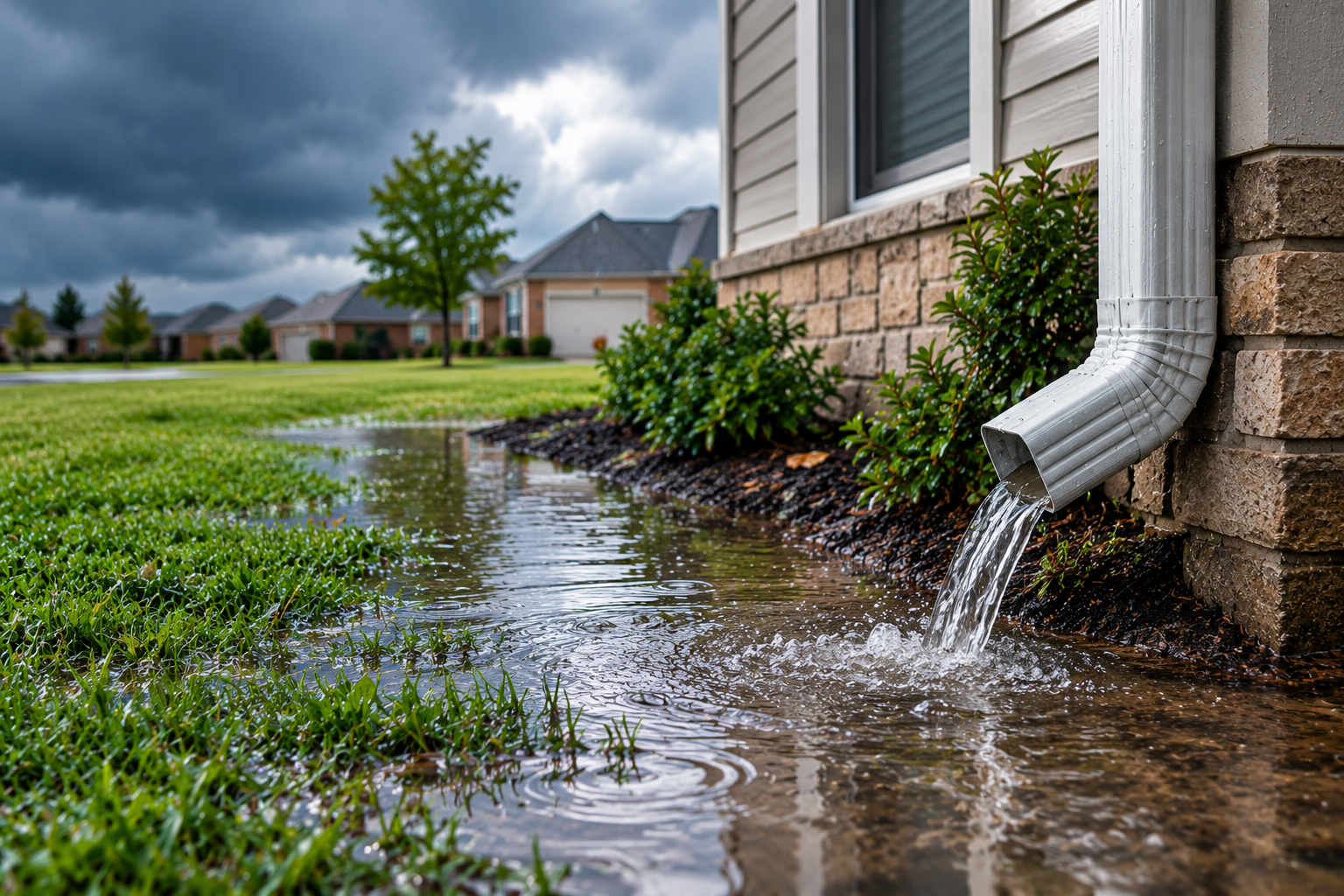
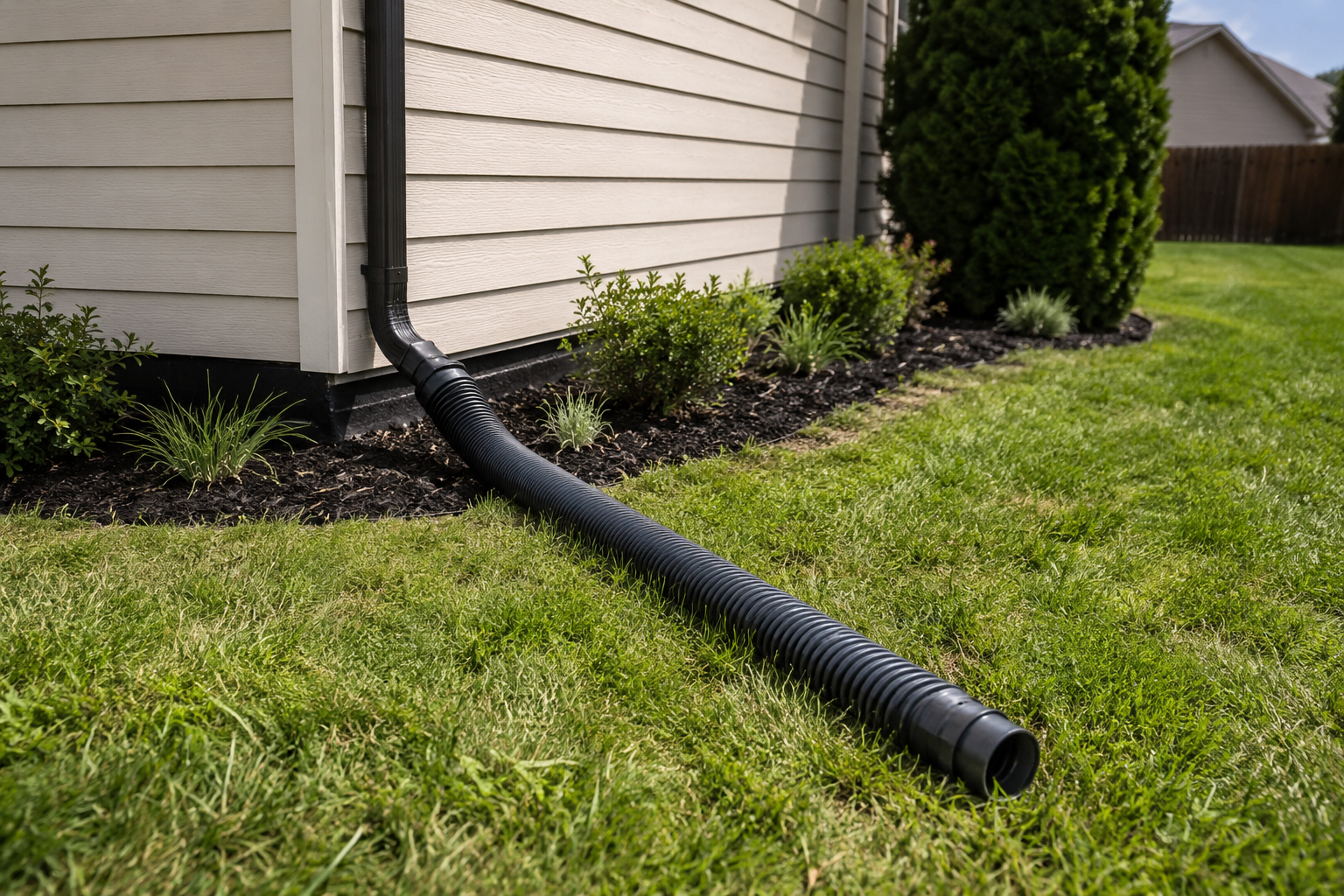
Oklahoma storms don't give much warning. One minute the yard is dry, and the next, an inch of rain is running toward your house. The good news is that most foundation-related water problems can be spotted ahead of time with a short walk around your property. Here are five drainage checks you can do before the next round of heavy storms. None of them need special tools, and each one tells you whether water is being carried away from your home or left to collect against it. 1. Check Where Your Downspouts Empty Your roof collects a lot of water, and your downspouts decide where it lands. Walk around the house and look at the end of each downspout. If it empties right next to the foundation, all of that water goes straight into the soil beside your home. A downspout should carry water well away from the house. If yours don't, an extension or a gutter downspout tie-in that sends water to a better location can make a big difference. Not sure which option fits? Read downspout extensions vs. French drains . 2. Look at the Slope Around Your Foundation The ground next to your house should slope gently away from it, so water naturally runs out into the yard. Over the years, soil settles, and that slope can flatten out or even tilt back toward the house. Stand at a corner of your home and look along the foundation. If the soil looks flat, sunken, or lower near the house than farther out, water is likely to collect there. This is a common cause of problems we see in OKC yards, and grading and reslope work restores the slope so water has somewhere to go. 3. Clear Your Gutters Gutters only work when water can move through them. Leaves, seed pods, and debris can clog a gutter and cause water to spill over the edge, right where it can soak the ground next to your foundation. Before a storm, check that your gutters are clear and that water flows freely to each downspout. 4. Make Sure Your Existing Drains Are Working If you already have a drainage system, it's worth checking that it's still doing its job. Look at the places where a French drain , catch basin , or surface drain collects or releases water. Are the openings clear of dirt, mulch, and leaves? Is water still standing in the yard after rain, even though a drain is nearby? Drains can fail or clog over time. Our post on the signs your French drain has failed covers what to watch for. And if you've found that one type of drain isn't enough, read when your yard needs more than a French drain . 5. Watch Where Water Goes During the Next Rain The best drainage check happens while it's raining, or just after. Step outside, safely, and watch where the water flows. Pay attention to: Where water collects and how long it stays there Whether water runs toward your house instead of away from it Whether any area stays soggy for days after the rain stops Take a few photos or notes. They'll help you describe the problem when you ask for help, and they make it easier to see if things get worse over time. For more on what causes puddles that won't go away, see our post on standing water in your yard . Why These Checks Matter for Your Foundation Oklahoma clay expands when it's wet and shrinks as it dries. When drainage is poor, one side of your house can stay wet while another dries out, and that uneven movement can lead to cracks and other foundation trouble. Catching a drainage problem early is far easier, and usually less costly, than fixing the damage it can cause. To learn more, read our guide to foundation water damage in OKC .  Schedule a Free Drainage Assessment If you spot a problem on your walk-around, or you're not sure what you're seeing, Elite Outdoor Living Solutions can help. We work with homeowners in Oklahoma City, Edmond, Norman, Moore, Yukon, and Bethany to find where yard water is coming from and fix it. Call (405) 972-8338 or request a free assessment before the next storm hits.
November 4, 2026
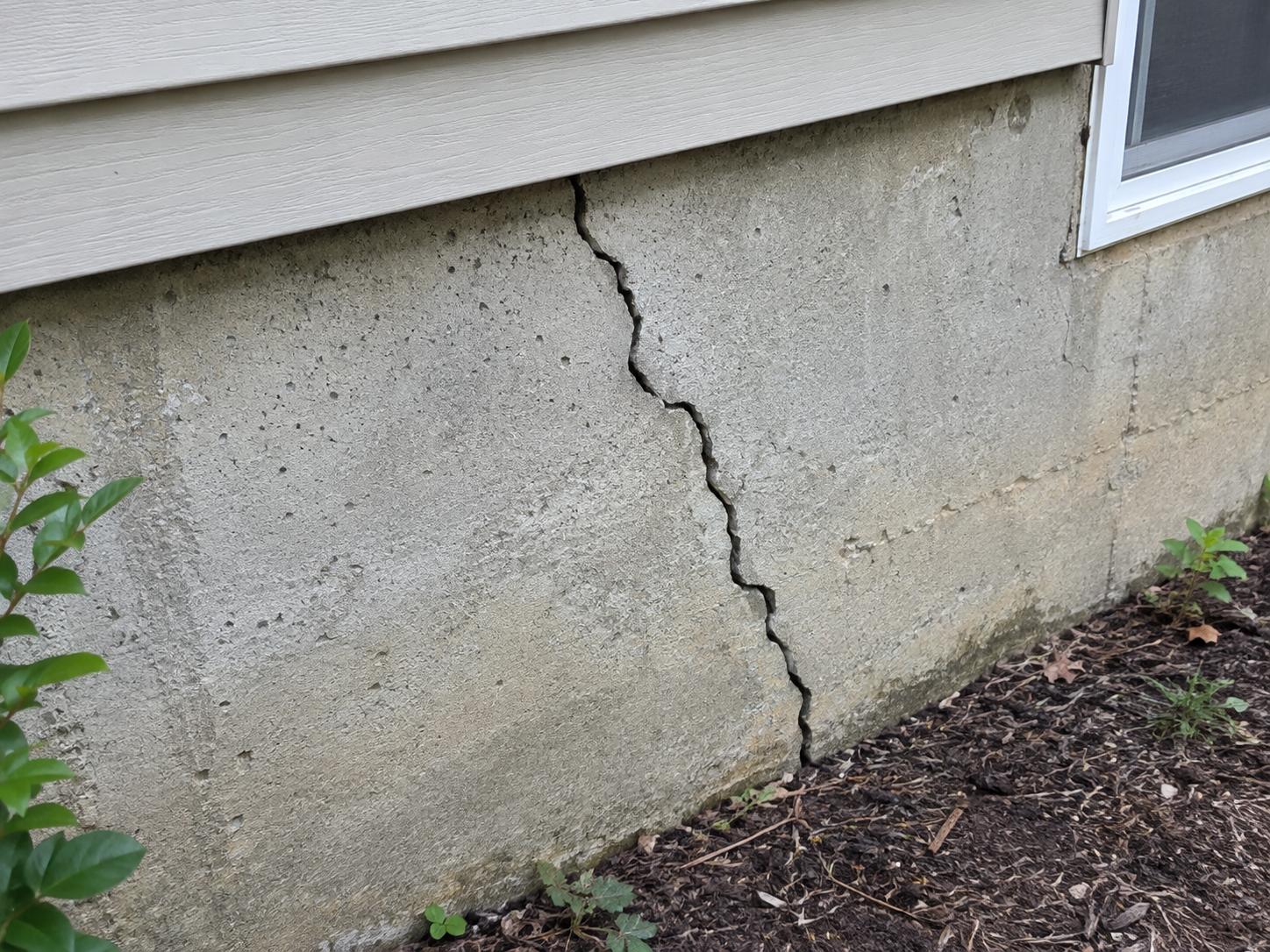
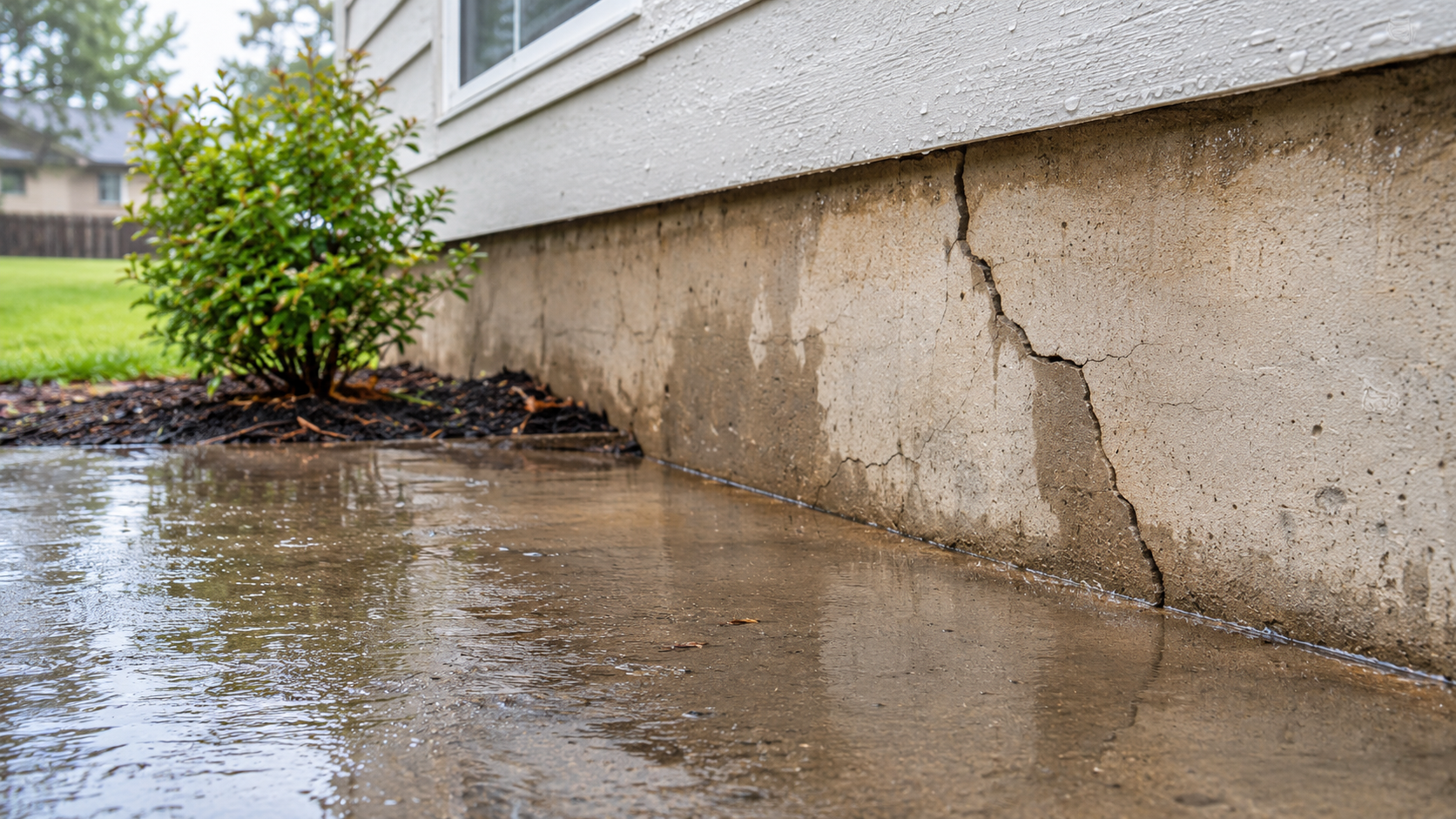
Attention A few days after a big Oklahoma storm, you spot a thin line running across your foundation wall. Or a door that closed fine last week now sticks. It's natural to wonder if the rain did something to your house. The short answer is that heavy rain can bring existing foundation problems to the surface, and in Oklahoma City, the soil under your home plays a big role. Here's what's usually normal, which signs deserve a closer look, and what you can do about the water causing them. Why Heavy Rain Shows Up in Your Foundation Oklahoma's clay soil expands when it's saturated and contracts as it dries out. That's normal for clay, and a foundation can handle some of it. The trouble starts when the soil around your home moves unevenly. If one side of the house stays soaked because water collects there, while another side dries out, the foundation gets pushed and pulled in different directions. That uneven movement, more than water touching the concrete, is what leads to cracks. That's why a foundation can look fine through a dry stretch and then show new cracks after a week of storms. To learn more about how this works, read our guide to foundation water damage in OKC and our post on how Oklahoma's clay soil makes yard drainage worse . Cracks That Are Often Minor Not every crack is a warning sign. Concrete naturally shrinks as it cures, and many homes develop thin hairline cracks over the years without any serious movement. As a general rule, a crack is less likely to be a concern when it is: Very thin and stays the same size over time Dry, with no staining, moisture, or musty smell Not paired with any other changes in the house If you're not sure, mark the ends of the crack with a pencil and the date, then check it again after the next few storms. A crack that doesn't change is usually less urgent than one that grows. Signs That Need Attention These are the signs we see most often when poor drainage is affecting a foundation: Cracks in the foundation wall: especially cracks that are growing, getting wider, running horizontally, or following a stair-step pattern through brick. Doors and windows that stick: if they no longer close flush, the house may be shifting slightly. Gaps between the foundation and siding or trim: a space that wasn't there before can mean movement. Moisture or a musty smell: in a basement or crawl space, this can point to water getting in. If you see one or more of these, it's worth having someone look at your foundation and your yard. Our foundation repair team repairs settling foundations across the Oklahoma City metro using steel push piers and helical piers, and can tell you what's happening with your foundation. What Your Yard Is Doing to Your Foundation When we assess yards in the OKC area, a few causes come up again and again: Downspouts that empty too close to the house: all that roof water lands right next to the foundation. See our post on downspout extensions vs. French drains for options. A yard that has lost its slope: over time, soil settles, and ground that once sloped away from the house can flatten out or even slope toward it. Learn how grading restores that slope. No drain to carry water away: without a subsurface system, water has nowhere to go but into the soil next to your home. How to Fix the Water Problem The right fix depends on where the water is coming from. Common solutions include: Gutter downspout tie-ins that send roof water away from the house instead of letting it land at the foundation French drains that collect water from the soil and move it to a better location Grading and reslope work that restores a gentle slope away from the home Not sure which one you need? Our comparison of grading vs. French drains can help you tell where to start. Fix Drainage and Foundation Problems Together If your foundation already needs repair, fixing the drainage at the same time matters. A repair can stabilize the foundation, but if water keeps pooling next to the house, the same soil movement can bring the damage back. Because we handle both foundation repair and yard drainage, we can look at the whole picture instead of treating one problem and leaving the cause behind.  Get a Free Assessment Elite Outdoor Living Solutions helps homeowners in Oklahoma City, Edmond, Norman, Moore, Yukon, and Bethany find where yard water is coming from and fix it. If you've noticed cracks, sticking doors, or water collecting near your home after rain, call (405) 972-8338 or request a free assessment to see what's going on.
October 28, 2026
How commercial drainage protects OKC parking lots and business properties from flooding, liability risks and heavy Oklahoma storms. Free assessment.
October 21, 2026
How poor drainage damages your foundation, the early warning signs, and why fixing drainage comes first. Protect your OKC home: (405) 972-8338.
October 14, 2026
Should you regrade your yard or install a French drain? Learn the signs of each problem and the right order to fix water pooling in OKC.
October 7, 2026
Is a downspout extension enough, or do you need a French drain? How to tell which fixes the water pooling near your OKC home's foundation.
September 30, 2026
If you've lived in the Oklahoma City metro for more than a season or two, you've probably noticed your yard seems to hold water longer than a friend's property just a few miles away. There's a real reason for that, and it comes down to what's actually underneath the grass: dense, compact clay soil that behaves very differently from the sandy or loamy soil drainage systems are often designed around. Why Clay Soil Drains So Poorly Clay particles are extremely fine and pack together tightly, leaving very little pore space for water to move through. Where sandy soil lets water percolate down and away within hours, clay-heavy soil can hold water at the surface or just below it for days. This is why so many OKC yards develop soggy patches, standing water, and slow-draining low spots even after a modest rain. The Foundation Risk Clay Soil Adds Clay soil doesn't just drain slowly — it also expands significantly when saturated and contracts when it dries out. This expansion and contraction cycle puts real pressure on foundations, driveways, and any hardscape sitting on top of it. A drainage problem on clay soil isn't just an inconvenience; over years, it becomes a structural risk to the property. Why Standard Drainage Advice Doesn't Always Apply A lot of generic drainage advice assumes soil that percolates reasonably well. On OKC clay, a French drain needs to be sized and sloped more aggressively to move water effectively, and grading work often needs steeper slopes than would be necessary on sandier soil, simply because clay won't absorb the volume a lighter soil type would handle on its own. What Actually Works on Clay Soil Systems designed specifically with clay's slow percolation rate in mind — properly sloped French drains with adequate gravel volume, catch basins positioned at real collection points rather than guessed locations, and grading that accounts for how much longer water sits before it moves — perform far better long-term than a generic drainage plan borrowed from a different soil type. This is also why a site assessment before installation matters more in OKC than it might in a region with lighter soil.  Get a Drainage Plan Built for OKC Soil Elite Outdoor Living Solutions designs yard drainage systems specifically accounting for Oklahoma's clay-heavy soil across Oklahoma City, Edmond, Norman, Moore, and Yukon. Call (405) 972-8338 or contact us for a free consultation.
September 23, 2026
What a catch basin does, why a French drain alone isn't always enough, and where catch basins go in an OKC yard. Free drainage quote.
September 16, 2026
Water pooling again or soggy ground over the drain line? Learn the signs of a failed French drain and how we repair it in Oklahoma City.