
How to Plan Pool Installation Without Losing Summer
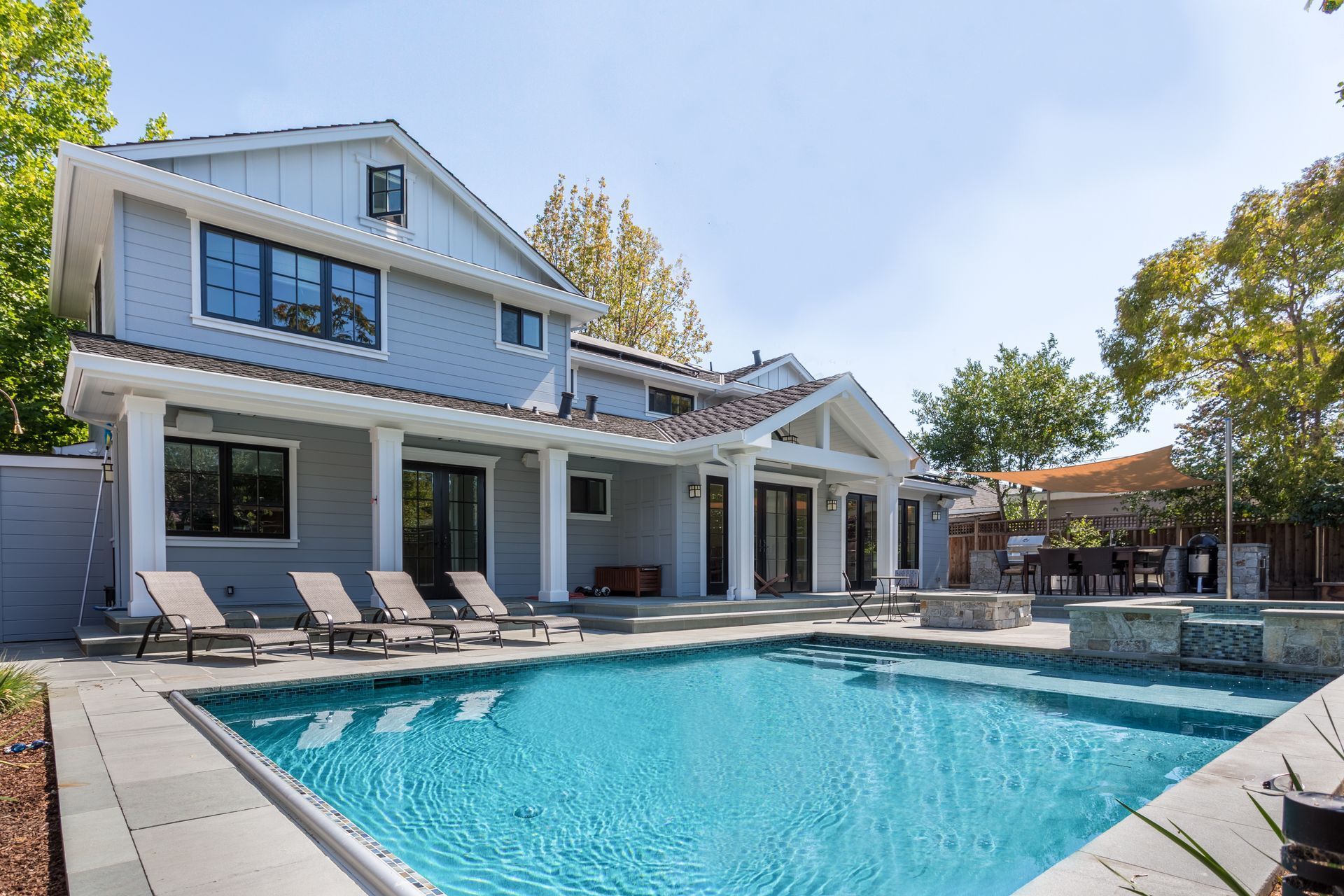
Understanding the Full Pool Installation Timeline in Oklahoma
Planning a pool installation is exciting. You start picturing warm evenings, kids laughing, and friends gathered around sparkling water. But before that first swim, it helps to understand the timeline. In Oklahoma, most pool installations take about 6 to 12 weeks from the time construction begins. That time frame depends on design choices, permit approvals, inspections, and even the weather.
When you break it down, the process feels much more manageable. First comes design and planning. Then permits are submitted and approved. Excavation follows, along with plumbing and electrical work. Inspections happen along the way, and finally the finishing touches are added before the pool is filled. When you see each phase clearly, the project feels organized instead of overwhelming.
When to Start Planning Your Pool Installation for a Summer-Ready Backyard
If your goal is swimming by early summer, planning your pool installation should begin months earlier. Late fall and winter are actually ideal times to start. Spring is when demand increases, schedules fill quickly, and permit offices get busier. Starting early gives you options instead of pressure.
Beginning ahead of the rush also allows you to think through design features carefully. You can decide whether you want built-in seating, special lighting, or water features without feeling rushed. That extra planning time leads to better decisions and a backyard that feels intentional, not hurried.
What Permits Are Required for Pool Installation in Oklahoma?
Every pool installation in Oklahoma requires proper permits to ensure safety and compliance with local building codes. While the paperwork might seem intimidating, permits are there to protect your home and family. Most cities require building permits, electrical permits, and inspections at certain stages of construction.
In communities like Bethany and nearby areas, inspections may check structural integrity, electrical bonding, and safety fencing. Working with an experienced contractor simplifies this process. They guide you through approvals so you are not left navigating city requirements on your own.
How Long Does Pool Installation Actually Take From Start to Finish?
Homeowners often ask how long a pool installation really takes. The answer depends on size, customization, and site conditions. A straightforward design may move quickly, while a highly customized pool with added features takes more time and coordination.
Weather also plays a role. Heavy rain can delay excavation, and extreme heat can affect curing times. Understanding these variables ahead of time helps set realistic expectations. With thoughtful scheduling and flexibility, the timeline becomes predictable and far less stressful.
Scheduling Your Pool Installation Around Family Vacations and Summer Events
Summer is full of important moments, from family vacations to backyard celebrations. Smart scheduling ensures those events are not overshadowed by construction. Planning around key dates keeps your summer enjoyable while progress continues steadily.
Discussing your calendar early in the planning phase makes a big difference. If you have a graduation party or holiday gathering scheduled, construction phases can often be timed accordingly. Strategic scheduling allows you to enjoy special occasions without stepping around heavy equipment.
What to Expect During Each Phase of Pool Installation Construction
Knowing what happens during each phase brings peace of mind. Excavation is usually the most dramatic step. Within a short time, your yard transforms as the outline of your future pool becomes visible. After that, steel reinforcement and plumbing systems are installed.
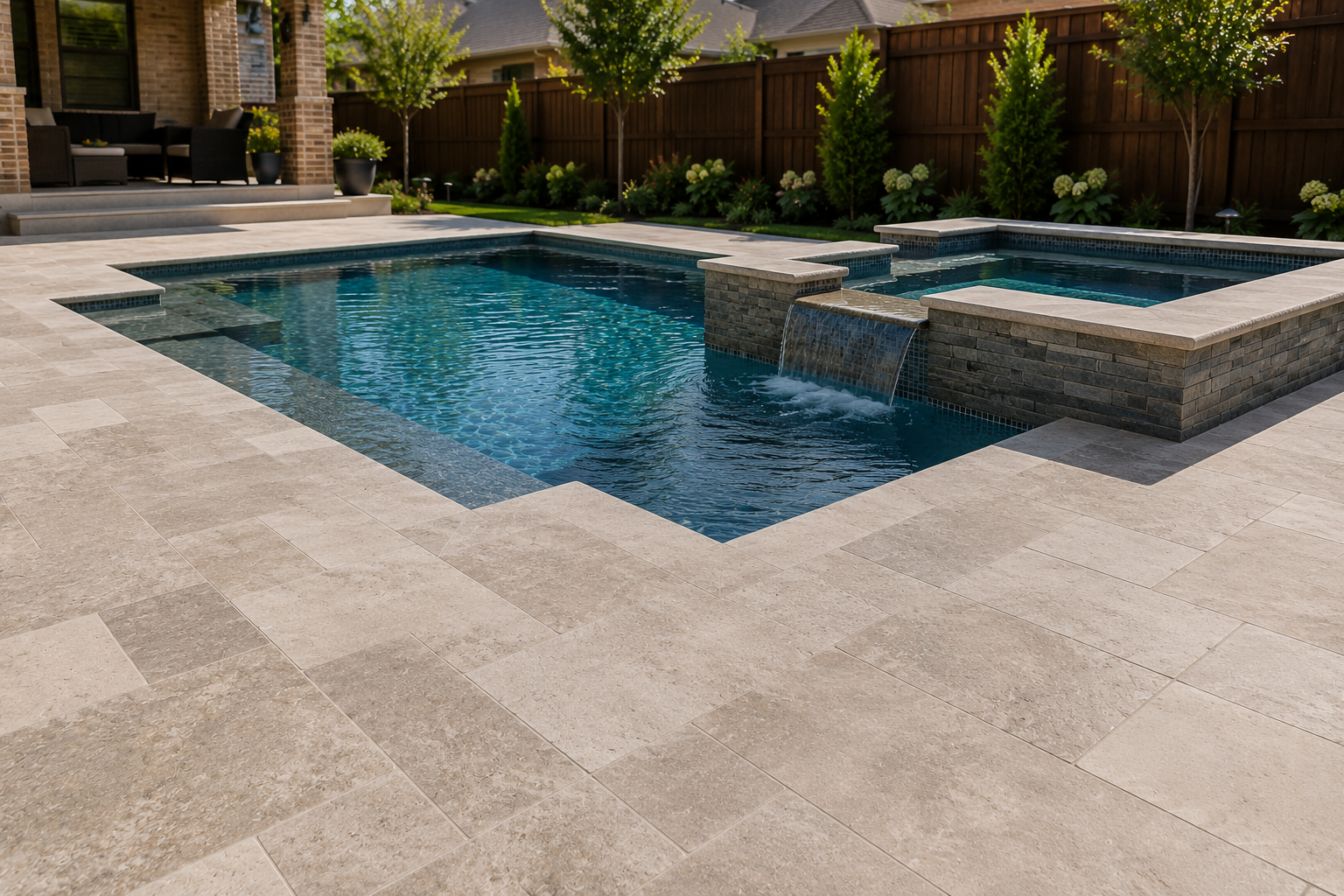
Next comes the shell application, often made of gunite or concrete, which forms the structure of the pool. After inspections, finishes such as tile, coping, and decking are completed. Watching each stage unfold helps you see steady progress rather than disruption.
How Oklahoma Weather Can Impact Your Pool Installation Timeline
Oklahoma weather is known for its extremes. Heavy rain, sudden temperature swings, and strong winds can all affect the pace of installation. Rain may temporarily pause excavation, and colder temperatures can slow the curing process for concrete, requiring careful timing and patience.
Planning with weather in mind gives your project breathing room. Adding a small buffer to your timeline helps prevent stress if delays happen. When you understand how weather impacts construction, you stay confident and prepared instead of feeling surprised or frustrated along the way.
Preparing Your Yard Before Pool Installation Begins
Preparing your property before installation begins makes the entire process smoother and more efficient. Move patio furniture, clear toys and decor, and trim back landscaping near the work zone. Make sure there's enough space for equipment to enter safely.
The easier the access, the faster and cleaner the job can move forward. It's also smart to give your neighbors a friendly heads-up. Letting them know construction is coming builds goodwill and prevents surprises. A little preparation upfront reduces stress, keeps everyone informed, and helps the project start off on the right foot.
Coordinating Landscaping and Hardscaping After Pool Installation
Once installation is complete, your backyard turns into a fresh canvas full of possibilities. Landscaping and hardscaping tie everything together and elevate the overall look. Thoughtful plant placement, strategic lighting, and comfortable seating areas help create a space that feels intentional and welcoming.
Planning these features alongside your pool ensures the final result feels seamless. Instead of separate projects competing for attention, every element flows naturally together. The outcome is a backyard retreat that feels polished, balanced, and ready for relaxing afternoons and unforgettable summer evenings.
Tips for Minimizing Disruption During Your Pool Installation Project
Construction naturally brings noise and activity, but disruption during your pool installation can be minimized with planning and communication. Creating safe zones for children and pets and maintaining clear pathways around work areas keeps daily life manageable.
Staying in regular contact with your contractor also reduces uncertainty. Updates and open conversations help you feel involved and informed. When you are ready to begin your pool installation with confidence and clarity,
reach out to Elite Outdoor Living Solutions in Bethany, OK, and call at
(405) 972-8338. Let's create a backyard you can enjoy all summer long without unnecessary stress.