
Structuring Luxury Retaining Walls with Precision
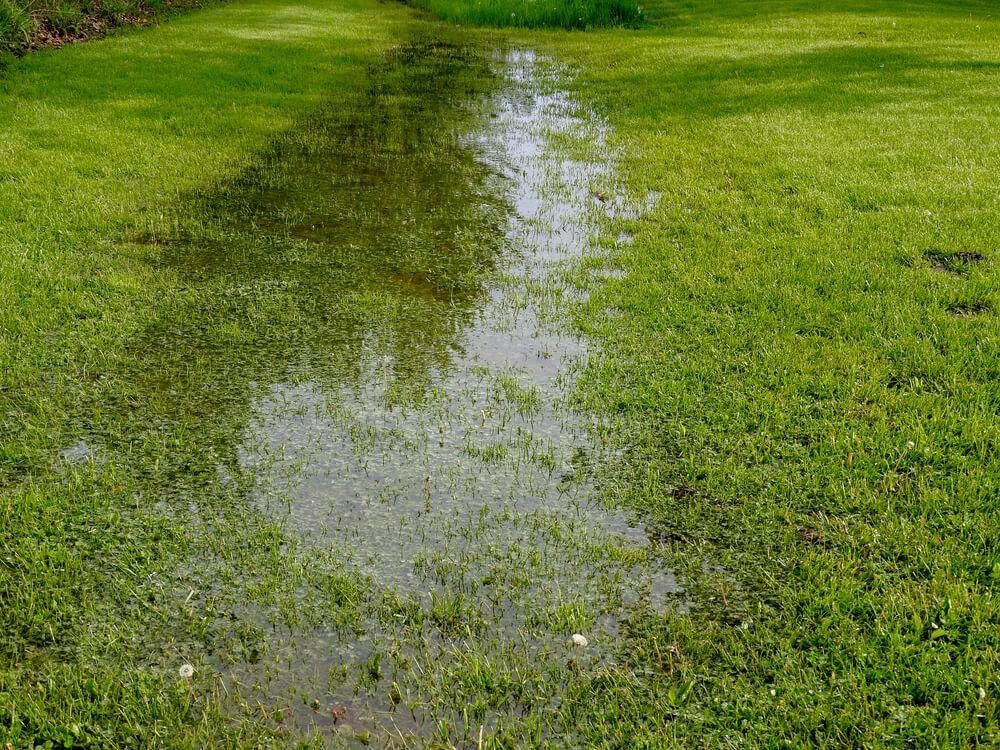
Ever notice how some landscapes look effortlessly polished while others seem like they’re barely holding it together? That’s the power of a well-built retaining wall. Without the right structure, erosion, drainage issues, and shifting soil can turn your dream yard into a maintenance headache. A failing retaining wall isn’t just an eyesore—it’s a liability.
Poor construction leads to cracks, bulging, and eventual collapse, costing thousands in repairs. That’s why precision matters. A properly engineered luxury retaining wall does more than prevent soil erosion—it elevates your outdoor space with durability and design. Whether you're securing a sloped yard, defining an elegant garden, or adding curb appeal, investing in expert craftsmanship ensures your wall stands strong and looks stunning for years to come.
Why Invest in a Luxury Retaining Wall?
Retaining walls prevent soil erosion and control water runoff, but luxury designs elevate these structures beyond basic functionality. The right materials, expert craftsmanship, and precise engineering make all the difference, transforming a necessary support system into a standout feature of your landscape.
The Benefits of a Luxury Retaining Wall
A retaining wall isn’t just about holding back soil—it’s about creating a beautiful, functional, and long-lasting outdoor space. A poorly designed wall can crack, lean, or even collapse, leading to expensive repairs. Investing in a high-quality, expertly built retaining wall means getting both strength and style, making it a smart choice for homeowners looking to improve their property.
Structural Integrity
Luxury retaining walls are engineered to withstand immense pressure from soil and water. High-end materials and expert craftsmanship ensure they remain stable for decades, preventing erosion, flooding, and structural failures.
Aesthetic Appeal
A well-designed retaining wall does more than provide support—it enhances the beauty of your landscape. Whether you prefer sleek modern lines or a more natural stone look, the right wall can complement your home’s architecture and outdoor design.
Property Value
A professionally built retaining wall increases curb appeal and overall property value. Potential buyers appreciate durable, attractive hardscaping that improves functionality and visual appeal.
Customization
Choose from a variety of materials, colors, and textures to match your style. From natural stone to elegant pavers, a retaining wall can be tailored to fit your vision.
Low Maintenance
Luxury retaining walls require little upkeep. With proper drainage and construction, they resist cracks, mold, and shifting, saving you time and money on maintenance.
Choosing the Right Materials for Your Luxury Retaining Wall
The materials you choose shape the overall look, durability, and performance of your retaining wall. Beyond aesthetics, they impact longevity, maintenance needs, and structural integrity. Selecting the right material ensures your wall not only looks high-end but also stands strong for years. Here’s a breakdown of top choices for luxury retaining walls:
1. Natural Stone
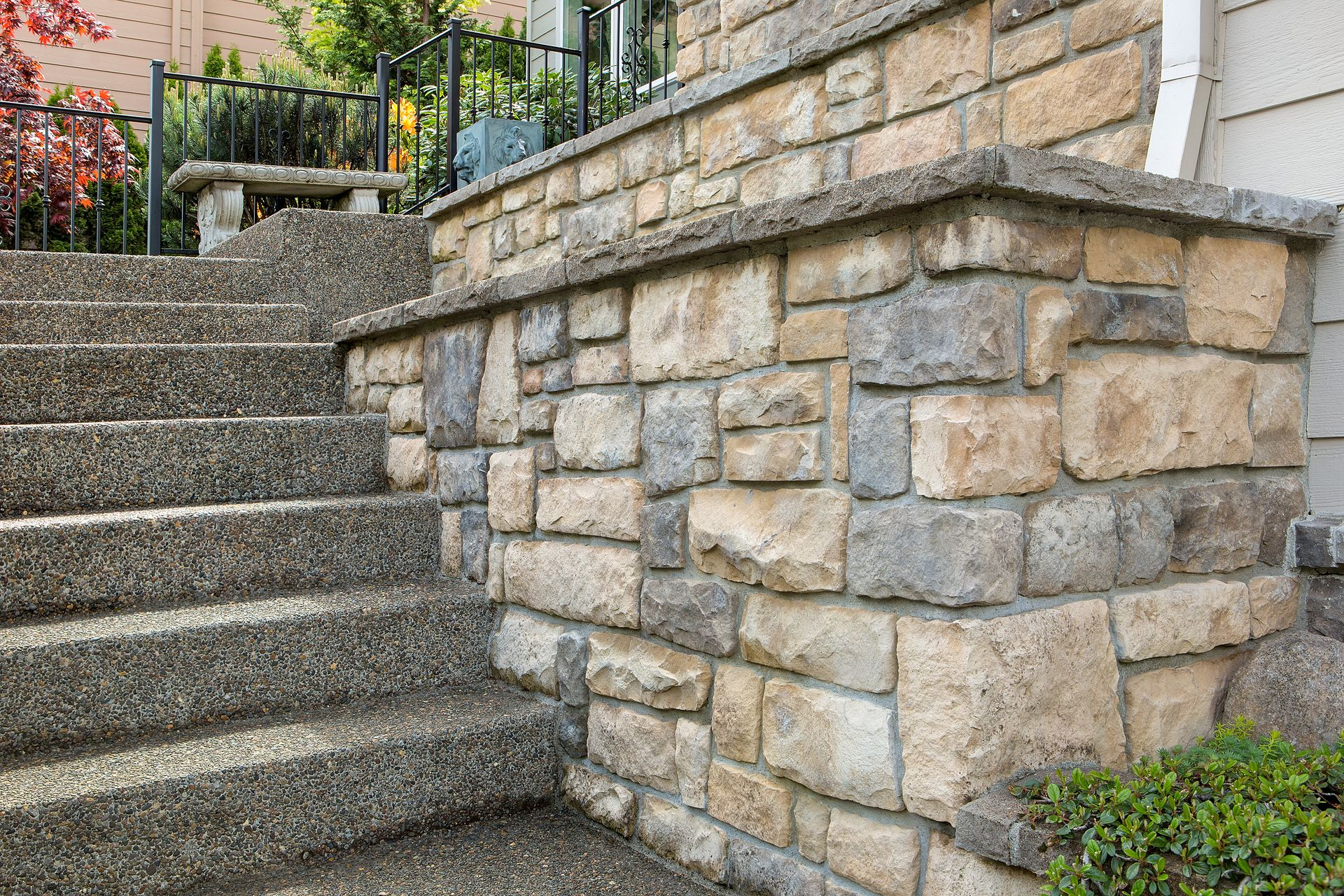
Natural stone exudes timeless elegance, making it a popular choice for high-end landscapes. Its organic textures and rich color variations allow it to blend seamlessly into gardens and natural settings. While it’s on the pricier side, natural stone is incredibly durable and resists weathering, ensuring a long-lasting, sophisticated appearance.
2. Concrete Blocks
Concrete blocks offer strength and versatility. They can be molded into various textures, patterns, and finishes, making them ideal for contemporary designs. These blocks provide exceptional structural integrity, making them perfect for larger retaining walls that need to withstand significant pressure. Plus, their cost-effectiveness makes them a popular choice for those seeking both function and style.
3. Brick
Brick is a classic choice, bringing a traditional, refined look to any property. Its weather-resistant nature ensures longevity, while its uniform appearance adds a structured and polished aesthetic. Brick walls work particularly well in homes with classic or colonial architecture.
4. Gabion Walls
For a bold, industrial look, gabion walls are a modern solution. These walls use wire mesh cages filled with rocks, providing excellent drainage and stability. They’re an eco-friendly choice, using natural materials while maintaining durability against the elements.
5. Wood and Timber
Wooden retaining walls bring a rustic charm to outdoor spaces. They work well in natural landscapes but require proper sealing and routine maintenance to prevent moisture damage. While they may not last as long as stone or concrete, they create a warm and inviting atmosphere.
Choosing the right material ensures your retaining wall is both visually stunning and built to last.
Professional Installation vs. DIY
While some homeowners consider tackling a small retaining wall themselves, luxury designs require expert installation. Precision and structural stability demand professional knowledge and skill.
Why Hire a Professional?
- Expertise in Engineering – Ensures proper load-bearing support.
- High-Quality Craftsmanship – Guarantees long-term durability.
- Efficient Execution – Saves time and prevents costly mistakes.
- Access to Premium Materials – Professionals source high-end materials not always available in retail stores.
- Warranty and Peace of Mind – Many professionals offer warranties on work completed.
How Professionals Structure Luxury Retaining Walls with Precision
Building a luxury retaining wall isn’t just about stacking materials—it requires expert planning, engineering, and execution. Professionals like Elite Outdoor Living Solutions use specialized tools and a step-by-step approach to ensure structural integrity, longevity, and a polished finish.
Step 1: Site Assessment and Planning
- Professionals evaluate soil conditions, slope, drainage, and load-bearing requirements.
- Tools: Laser levels, soil compaction testers, and surveying equipment ensure accuracy.
Step 2: Excavation and Site Preparation
- The foundation is excavated to the correct depth, ensuring stability.
- A gravel base is installed for proper drainage and weight distribution.
- Tools: Excavators, trenchers, and plate compactors create a stable foundation
Step 3: Installing the Base Material
- A layer of compacted crushed stone or gravel prevents shifting and settling.
- Proper compaction is key to long-term stability.
- Tools: Compactors, vibratory rollers, and tamper tools ensure a firm base.
Step 4: Laying the First Course
- The first row of materials is set precisely using a level.
- This step determines the alignment of the entire wall.
- Tools: Masonry levels, string lines, and rubber mallets for perfect placement.
Step 5: Building and Reinforcement
- Blocks, stone, or bricks are stacked, interlocked, and reinforced with geogrid or rebar.
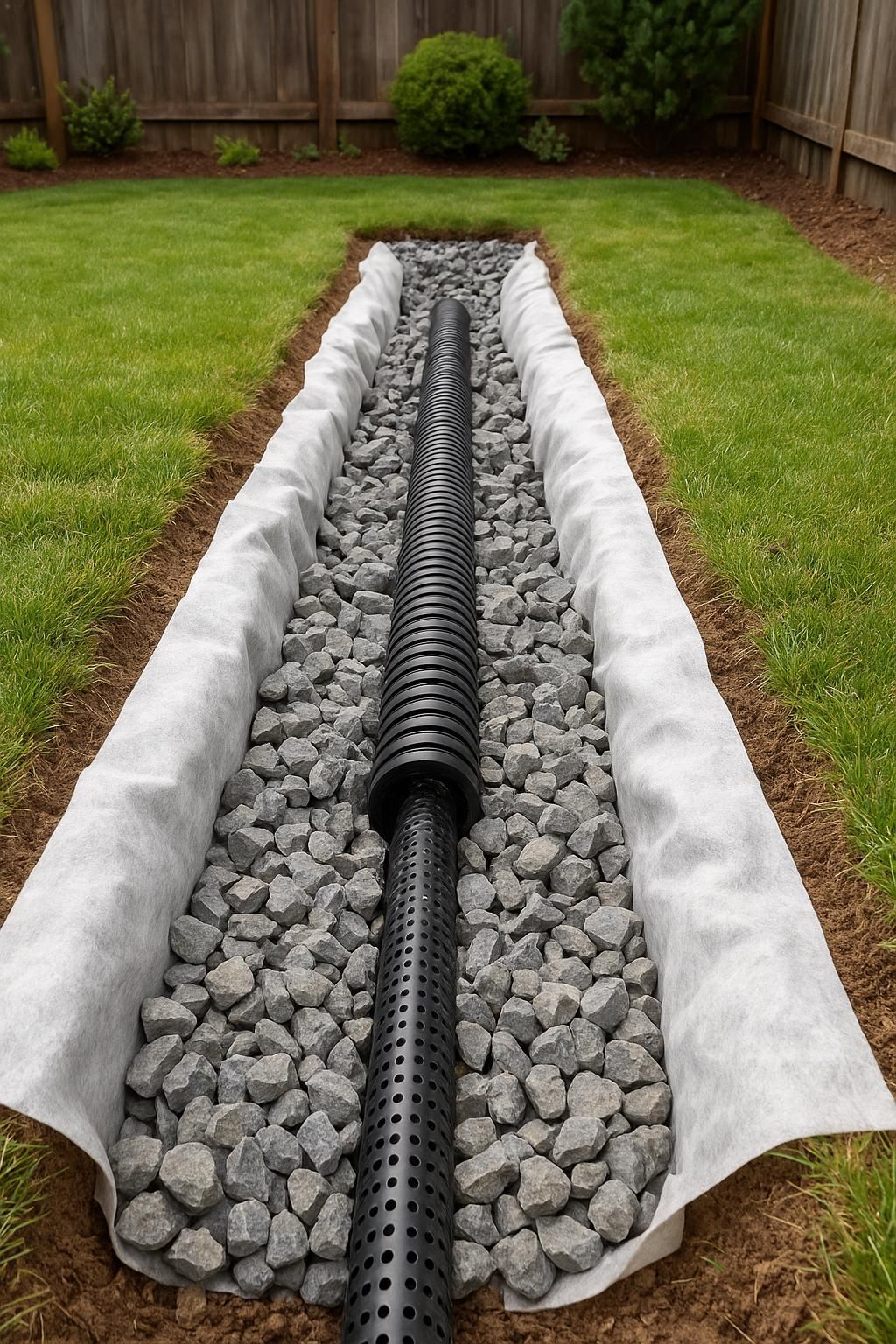
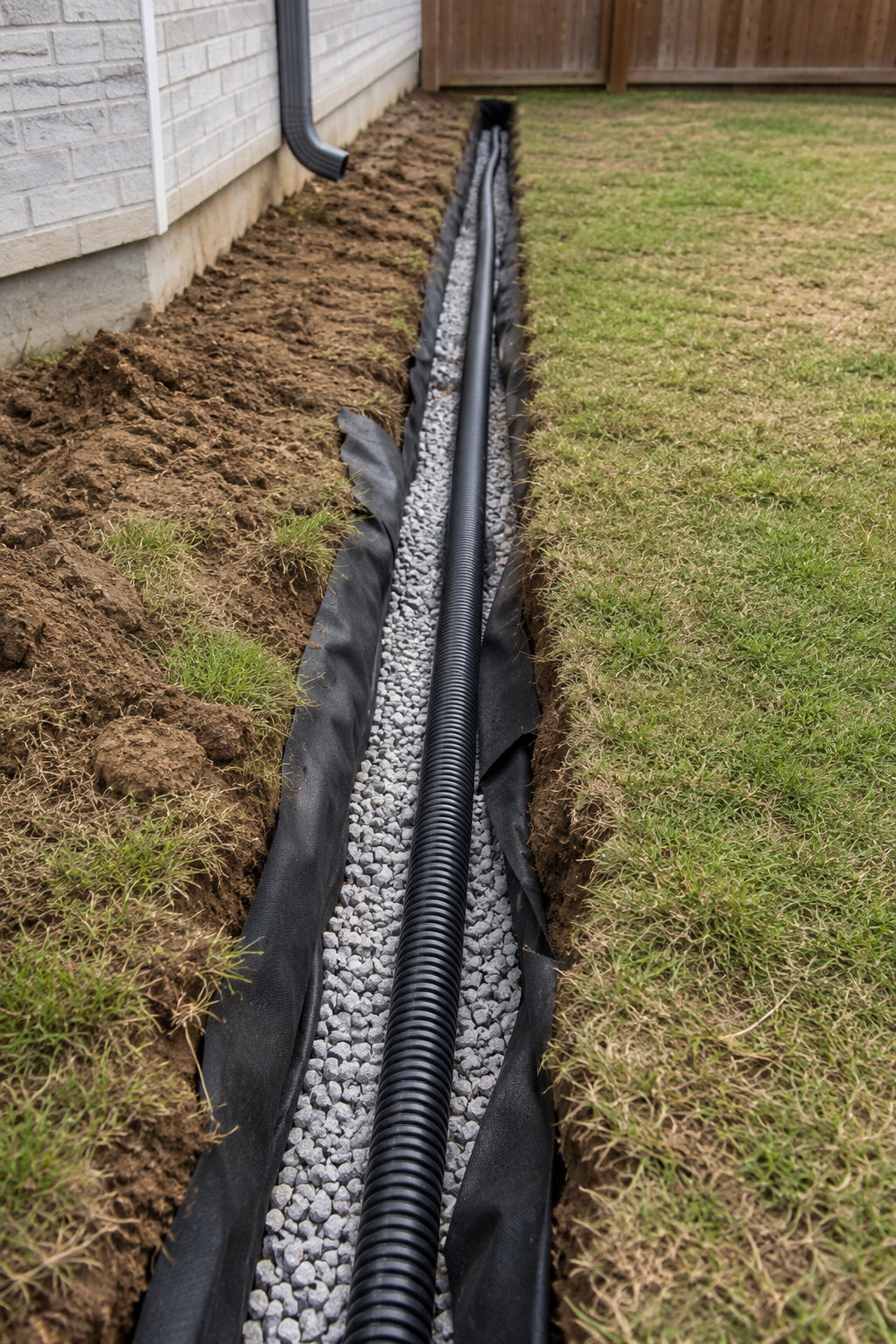
- Drainage pipes and backfill materials prevent water buildup.
- Tools: Rebar cutters, masonry saws, and geogrid installers for structural reinforcement.
Step 6: Finishing Touches
- Caps, sealants, and landscaping elements complete the design.
- Sealants protect materials from moisture and weathering.
- Tools: Sealant sprayers, chisels, and polishing tools for a flawless finish.
By following these precise steps and using advanced tools, Elite Outdoor Living Solutions ensures your luxury retaining wall is both stunning and structurally sound, providing beauty and durability for years to come.
Final Thoughts
Structuring a luxury retaining wall with precision isn’t just about holding back soil—it’s about creating a lasting architectural feature that adds elegance, security, and value to your property. The right materials, expert craftsmanship, and thoughtful design details make all the difference in ensuring a retaining wall that’s as strong as it is beautiful.
At Elite Outdoor Living Solutions, we specialize in designing and building high-end retaining walls that blend functionality with aesthetics. Whether you're looking for the timeless appeal of natural stone, the modern versatility of concrete, or the rustic charm of wood, our team has the expertise to bring your vision to life.
For the best results, work with skilled professionals who understand both engineering and design. With the right approach, your retaining wall won’t just be a necessity—it’ll be a masterpiece. Contact Elite Outdoor Living Solutions today to start planning a retaining wall that enhances your landscape for years to come.